Now Reading: Tinubu Refuses to Restore Fuel Subsidy Because Petrol Sector Was Riddled With Fraud — Presidency
-
01
Tinubu Refuses to Restore Fuel Subsidy Because Petrol Sector Was Riddled With Fraud — Presidency
Tinubu Refuses to Restore Fuel Subsidy Because Petrol Sector Was Riddled With Fraud — Presidency

Fresh details have emerged on why President Bola Tinubu has remained firm on the removal of fuel subsidy despite growing pressure from Nigerians battling rising living costs.
The Presidency says the decision is tied to what it described as deep-rooted fraud within Nigeria’s petroleum subsidy system, insisting that ordinary Nigerians were never the true beneficiaries of the scheme.
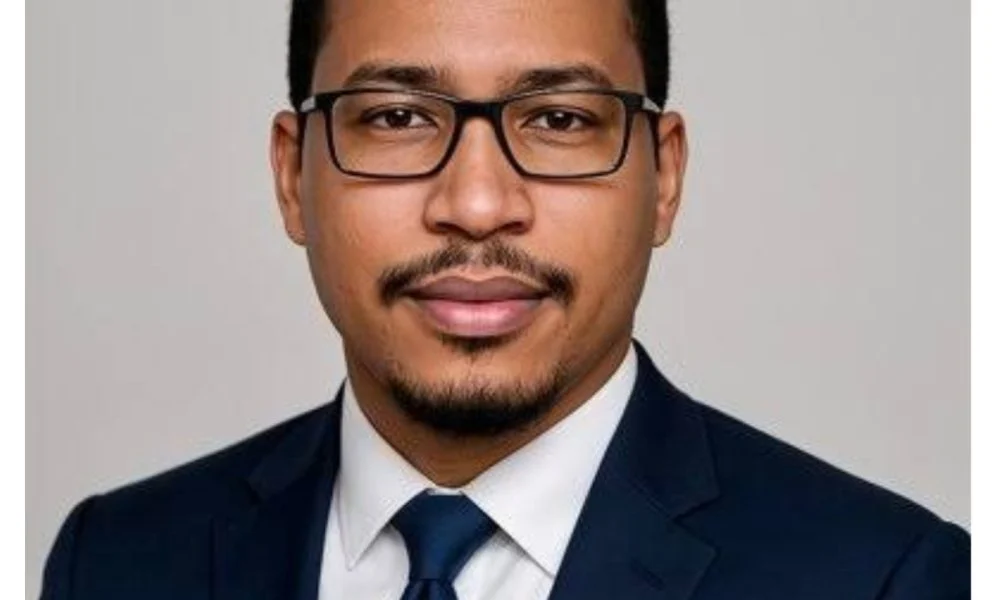
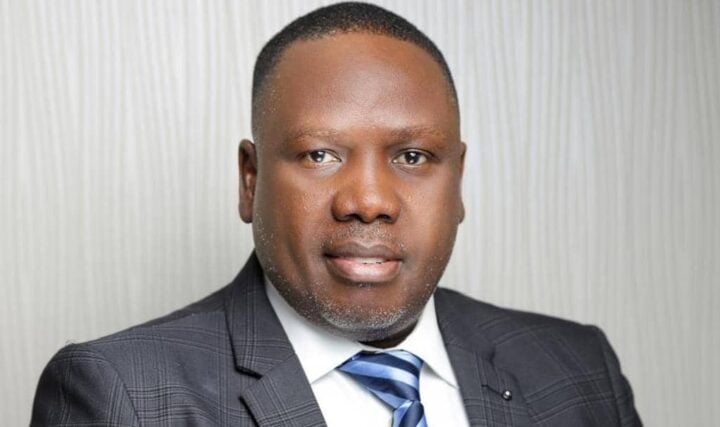
Speaking during an interview on Channels Television’s Politics Today, Special Adviser to the President on Policy Communications, Daniel Bwala said the fuel subsidy regime largely enriched corrupt operators and even benefited non-Nigerians.
According to Bwala, the Tinubu administration believes the previous subsidy structure was heavily compromised and unsustainable for the country’s economy.
“The reason President Tinubu has refused to return the subsidy on fuel is that historically the beneficiaries of this subsidy are not the Nigerian people. It is fraud people in that industry,” he said.
Bwala explained that the Federal Government is not completely against subsidies but prefers targeted interventions that directly impact citizens. He pointed to healthcare and agriculture as examples where the government is still providing support.
“The concept of subsidy itself is not anathema to this government. That’s why you see that we have subsidized dialysis by 50%. We have subsidized areas of agriculture and things that affect our people,” he added.
He further claimed that state governments have recorded improved revenues since the removal of fuel subsidy, suggesting that the policy has strengthened public finances across the country.
The presidential aide also described President Bola Ahmed Tinubu as a flexible leader who could still reconsider economic policies if necessary, including subsidy-related decisions.
“President Bola Tinubu’s style of leadership is not rigid. It’s flexible. If there is a demand for subsidy, President Tinubu will do that for now,” Bwala stated.
Fuel subsidy removal has remained one of the most controversial economic decisions of the Tinubu administration, with critics blaming it for inflation, rising transport costs and worsening hardship across Nigeria. Supporters of the policy, however, argue that it was necessary to stop massive financial leakages and stabilize the economy.