Now Reading: 2027 Election: Obi, Kwankwaso’s Exit From ADC Sparks Fierce Debate Over Tinubu’s Biggest Opposition Threat
-
01
2027 Election: Obi, Kwankwaso’s Exit From ADC Sparks Fierce Debate Over Tinubu’s Biggest Opposition Threat
2027 Election: Obi, Kwankwaso’s Exit From ADC Sparks Fierce Debate Over Tinubu’s Biggest Opposition Threat

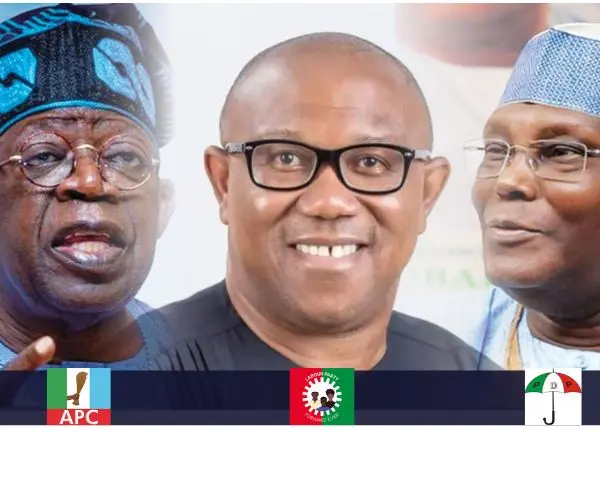
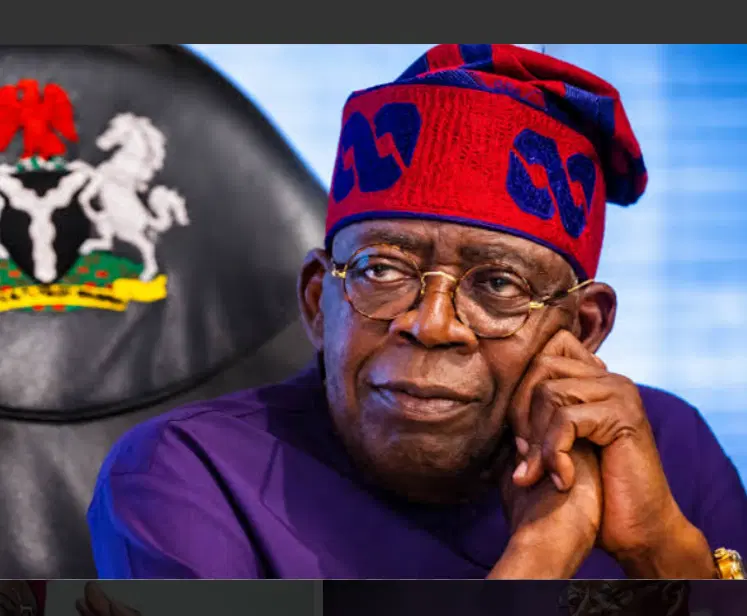
Nigeria’s opposition politics has entered another turbulent phase after former presidential candidates Peter Obi and Rabiu Musa Kwankwaso dumped the African Democratic Congress (ADC) for the Nigeria Democratic Congress (NDC), triggering fresh arguments over who truly stands a chance against President Bola Tinubu in 2027.
The political shake-up has unsettled opposition figures who once hoped a united coalition would emerge strong enough to challenge the ruling All Progressives Congress (APC). Instead, the latest defections have reopened old divisions over ambition, zoning, and control of the opposition movement ahead of the next presidential election.
Former Minister of Sports and Youth Development, Solomon Dalung, described the departure of Obi and Kwankwaso as disappointing and politically damaging to the coalition project. Speaking on the development, Dalung argued that both politicians abandoned the larger objective of rescuing Nigeria from what opposition leaders describe as worsening economic hardship and governance failures.
Dalung insisted that the excuses surrounding court cases and internal disputes within the ADC were weak, especially after the Supreme Court reportedly clarified issues concerning party leadership and internal affairs. He said true coalition politics required sacrifice, accusing some opposition leaders of prioritising personal ambition over national interest.
The former minister also questioned the electoral strength of the new NDC alliance. According to him, combining Obi and Kwankwaso’s 2023 votes may still not be enough to defeat Tinubu and the APC machinery in 2027. He further claimed that political structures that once gave both politicians influence have become fragmented in several states.
Despite the criticism, political analyst Jide Ojo believes the move may have been a strategic calculation rather than a political mistake. Ojo argued that Peter Obi likely saw little room for advancement within ADC, especially amid speculations that former Vice President Atiku Abubakar remained interested in contesting the presidency again.
According to Ojo, Obi’s camp was unwilling to settle for another vice-presidential role after building a massive support base during the 2023 election. He added that Obi may also be racing against political timing, particularly with arguments growing louder that power should remain in Southern Nigeria after Tinubu’s tenure.
“Politics is unpredictable,” Ojo said, warning against dismissing the NDC too early. He noted that Nigerian elections have repeatedly produced unexpected outcomes, citing former President Goodluck Jonathan’s defeat in 2015 as an example of how quickly political calculations can change.
Media personality and Atiku ally Dele Momodu also weighed into the debate, accusing the APC of using zoning politics to divide Nigerians along regional and ethnic lines. Momodu argued that the country’s real problems — insecurity, poverty, unemployment and economic instability — are gradually being overshadowed by arguments over where the next president should come from.
Meanwhile, APC chieftain Osita Okechukwu defended zoning as an important political arrangement for national balance and inclusion. He criticised Atiku’s reported opposition to zoning, arguing that many senior politicians, including the former vice president himself, had benefited from the principle over the years.
As political camps continue to reposition ahead of 2027, the growing fragmentation within the opposition has now become one of the biggest talking points in Abuja. Whether the emerging alliances eventually strengthen or weaken the challenge against Tinubu remains uncertain, but one thing is already clear — Nigeria’s road to 2027 has become far more complicated.