Now Reading: Kenya Pushes Ahead With US-Backed Ebola Facility Despite Court Order, Public Backlash
-
01
Kenya Pushes Ahead With US-Backed Ebola Facility Despite Court Order, Public Backlash
Kenya Pushes Ahead With US-Backed Ebola Facility Despite Court Order, Public Backlash

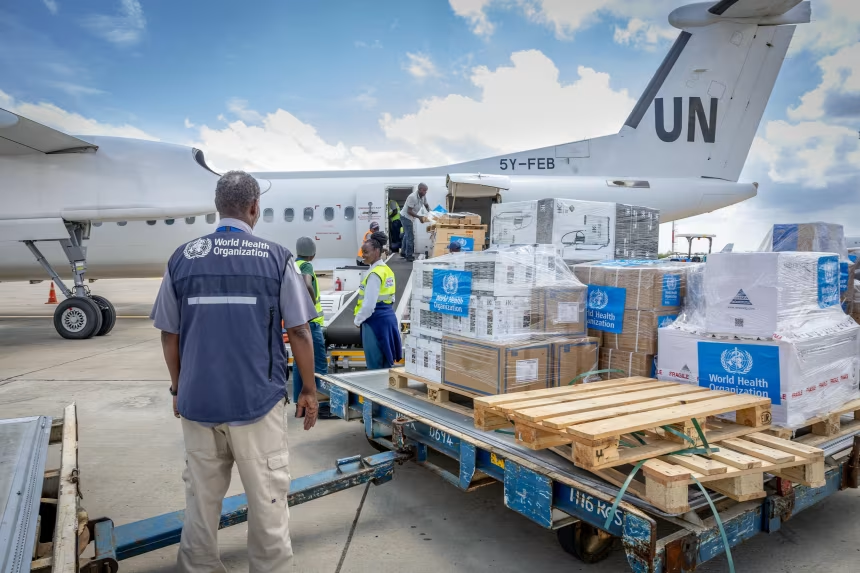
Tension is rising in Kenya after the government confirmed plans to move forward with a controversial Ebola quarantine and treatment facility backed by the United States, despite a court order temporarily blocking the project.
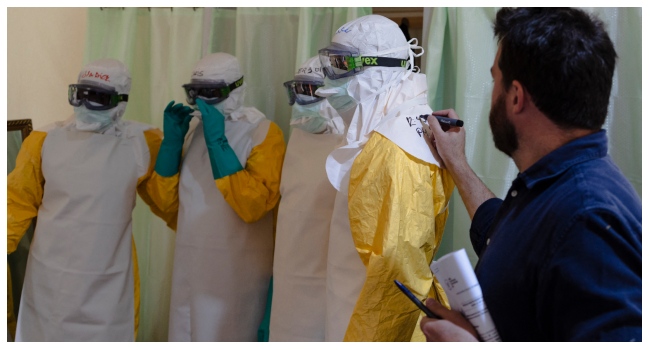
The proposed facility, which will be located at the Laikipia Air Base north of Nairobi, is intended to quarantine and treat Americans who may have been exposed to Ebola while working in the Democratic Republic of Congo, DRC. The move has sparked heated debate across Kenya, with critics questioning why the country should host an Ebola centre despite recording no confirmed cases of the virus.
Kenya’s Ministry of Health defended the partnership, saying the project would strengthen the country’s emergency response systems and improve its ability to monitor and isolate infectious diseases. Authorities also announced plans to establish additional treatment and isolation centres at Kenyatta National Hospital and the Kenya National Police Hospital.
The controversy intensified after US Secretary of State Marco Rubio said the United States “cannot and will not allow any cases of Ebola to enter the United States.” His comments triggered sharp reactions from civil society groups and medical professionals in Kenya, many of whom described the arrangement as unfair and risky.
A High Court in Kenya has already stepped into the matter. Judge Patricia Nyaundi issued temporary orders stopping the establishment or operation of any Ebola-related facility under agreements with foreign governments until a legal challenge is heard. The case is expected to return to court later this month.
Despite the legal dispute, a US government source involved in the Ebola response confirmed that American personnel linked to the project arrived at Laikipia Air Base on Saturday. Reports indicate the proposed quarantine unit could accommodate up to 50 people and was designed to provide rapid treatment and isolation for US nationals evacuated from outbreak zones.
The current Ebola outbreak in the DRC has become a growing international concern. Health officials say the outbreak, declared in May, has already caused hundreds of deaths and more than 1,000 suspected infections. The situation has become more complicated because the virus strain involved — the Bundibugyo variant — currently has no approved vaccine or treatment.
Uganda, which shares borders with both Kenya and the DRC, has also recorded confirmed Ebola cases, increasing fears of regional spread. Kenyan authorities insist the partnership with the US is part of wider preparedness efforts aimed at strengthening surveillance, diagnostics and emergency response capabilities.
However, opponents argue that the government failed to properly explain the agreement to the public before moving ahead. Human rights groups and health experts have warned that the secrecy surrounding the project has created distrust and raised fears over Kenya becoming a foreign quarantine hub.
As legal and political pressure mounts, the issue is quickly evolving from a health emergency discussion into a national debate over sovereignty, transparency and Kenya’s role in global crisis management.