Now Reading: Trump To Attend Critical NATO Summit In Turkey As US Pushes Alliance Reforms
-
01
Trump To Attend Critical NATO Summit In Turkey As US Pushes Alliance Reforms
Trump To Attend Critical NATO Summit In Turkey As US Pushes Alliance Reforms

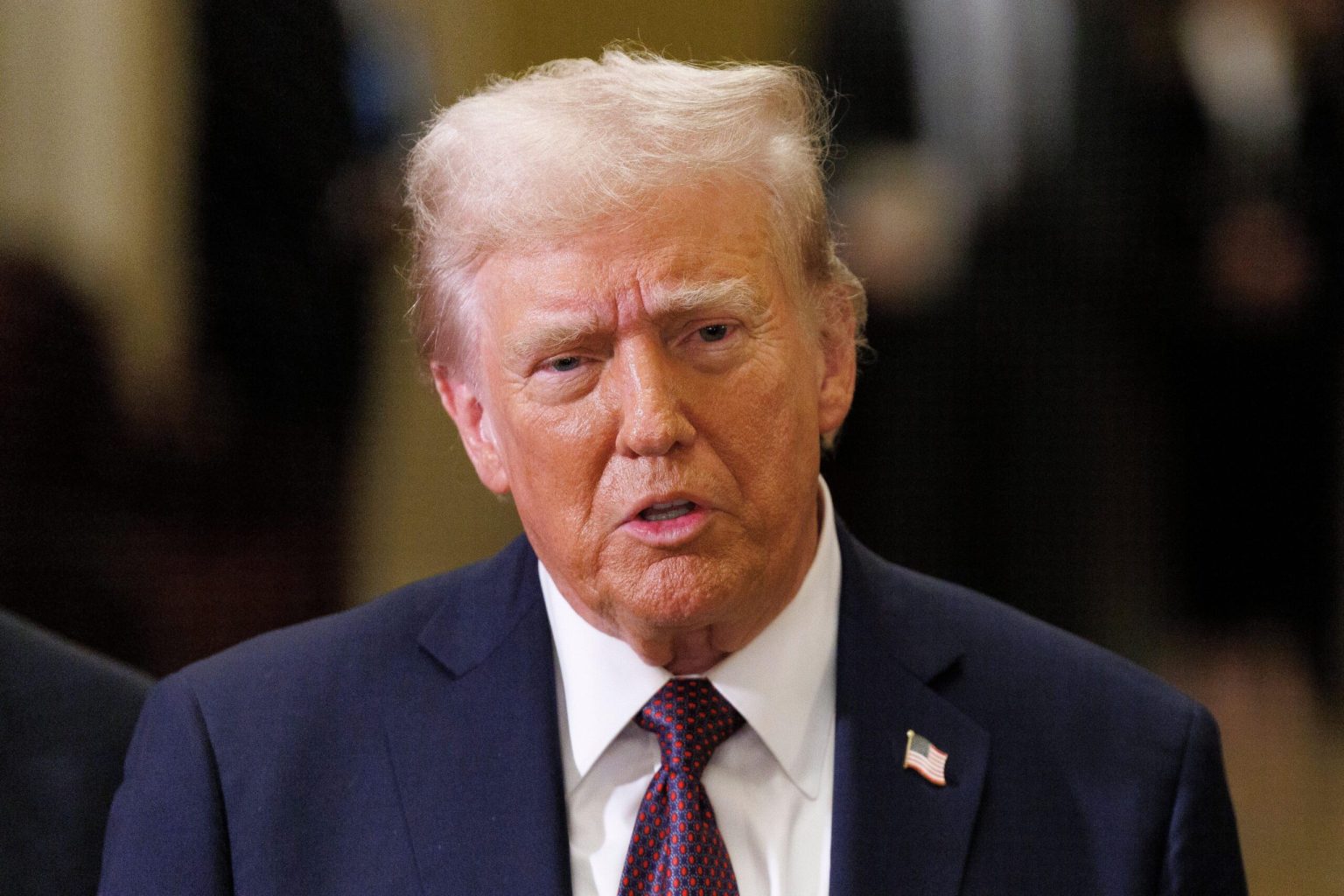
US President Donald Trump will attend the upcoming NATO summit in Turkey next month, amid growing tensions over the future direction of the military alliance and Washington’s role within it.
US Secretary of State Marco Rubio confirmed on Wednesday that Trump would personally participate in the July 7-8 summit in Ankara, describing the gathering as one of the most important meetings in NATO’s history.
Speaking before the House Foreign Affairs Committee, Rubio said the alliance remains vital but warned that major reforms are urgently needed.
“The President himself will be attending the next NATO meeting of heads of state, where all these points will be made clear,” Rubio stated. “We’re still in NATO, but NATO needs significant changes.”
The announcement comes at a delicate moment for the 32-member alliance, which has faced renewed strain following disagreements between the United States and several European governments over the recent conflict involving Iran.
Tensions reportedly escalated after some European allies declined to join the United States and Israel during military operations linked to the Iran conflict, a move that has fueled frustration within Washington.
Rubio also disclosed that the US has become increasingly concerned about the level of cooperation from some NATO members during regional security crises.
In testimony before Congress earlier this week, the Secretary of State openly criticized Spain for allegedly refusing to allow American forces to use military bases on its territory for operations connected to Iran.
“We have members of that alliance that are basically denying the use of those bases in a contingency,” Rubio said, adding that such actions raise serious questions about the alliance’s effectiveness and unity.
The upcoming summit in Ankara is now expected to focus heavily on burden-sharing, military cooperation, strategic commitments and the future structure of NATO as global security tensions continue to rise.
Trump’s attendance is also likely to attract global attention given his long-standing criticism of NATO members over defense spending and his repeated demands for allies to contribute more to collective security.