Now Reading: Cooking Gas Prices in Nigeria Remain High Despite Improved Supply, LPG Marketers Explain Why
-
01
Cooking Gas Prices in Nigeria Remain High Despite Improved Supply, LPG Marketers Explain Why
Cooking Gas Prices in Nigeria Remain High Despite Improved Supply, LPG Marketers Explain Why

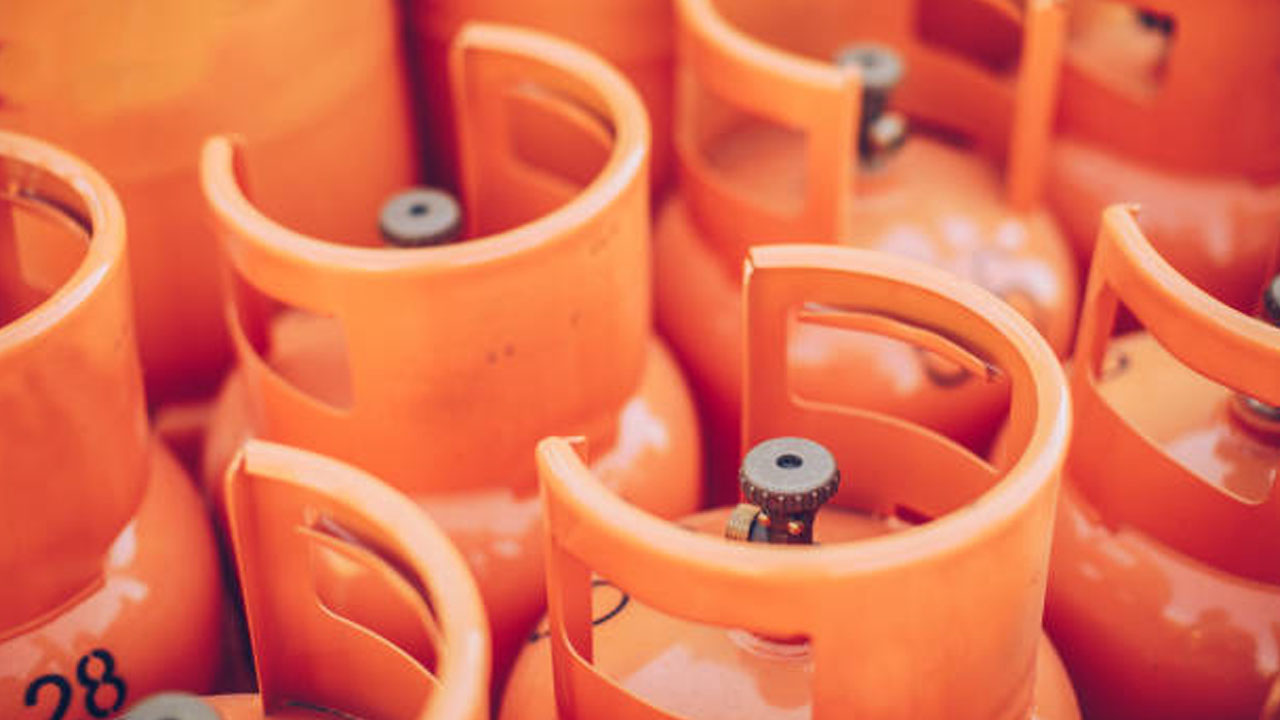
Nigeria’s cooking gas prices remain under pressure despite an improvement in nationwide supply, leaving households waiting longer for the relief many expected.
The Nigerian Association of Liquefied Petroleum Gas Marketers (NALPGAM) says recent efforts by the Federal Government have successfully eased supply challenges, but the cost of Liquefied Petroleum Gas (LPG) has not dropped as consumers had hoped.
Speaking on Thursday, NALPGAM President Edu Inyang explained that while the market is now better supplied following government interventions introduced in June 2026, several economic factors continue to keep retail prices elevated across the country.
Cooking gas currently sells for between ₦1,450 and ₦1,700 per kilogram in Abuja and neighbouring communities. This represents a noticeable increase from the average price of about ₦1,200 per kilogram recorded in May 2026, adding to the financial burden on millions of Nigerian households.
Inyang attributed the persistent high prices to rising international LPG costs, foreign exchange pressures and other market conditions affecting the downstream gas sector. He noted that although product availability has improved significantly, these external cost drivers continue to influence prices at the retail level.
He said the Federal Government’s intervention has primarily addressed supply constraints rather than the broader pricing issues linked to global energy markets and currency fluctuations.
The development means consumers are likely to continue paying higher prices for cooking gas in the near term, despite improved distribution across the country. Industry stakeholders believe that more stable foreign exchange conditions and lower international LPG prices will be needed before Nigerians begin to see meaningful reductions in retail costs.
With cooking gas remaining one of the most widely used domestic energy sources in Nigeria, the sustained increase in prices is expected to keep pressure on household budgets as families grapple with the rising cost of living.