Now Reading: Experts Urge Team-Based Care to Improve Treatment of Bone Injuries and Burn Victims
-
01
Experts Urge Team-Based Care to Improve Treatment of Bone Injuries and Burn Victims
Experts Urge Team-Based Care to Improve Treatment of Bone Injuries and Burn Victims

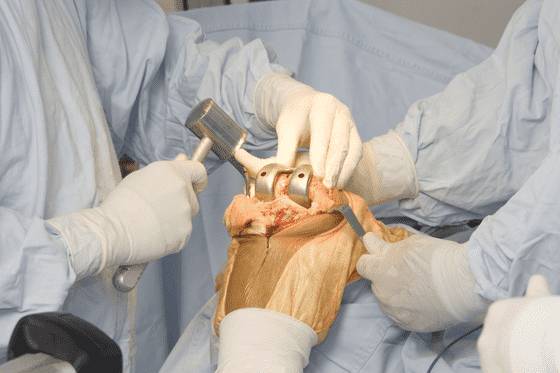
Healthcare experts have called for stronger collaboration among medical professionals to improve the treatment and recovery of patients with musculoskeletal conditions and burn injuries.
They stressed that effective communication, shared treatment goals and coordinated care are essential to ensuring patients receive comprehensive medical attention, rehabilitation and psychological support.
The experts made the call at the 47th Annual Scientific Conference of the National Orthopaedic Hospital, Igbobi, Lagos, themed “Multidisciplinary Team Care in the Management of Musculoskeletal Disease,” with a sub-theme on burn injuries.
Speaking at the event, the Medical Director of the National Orthopaedic Hospital, Igbobi, Lagos (NOHIL), Dr Wakil Lawal, represented by the Head of Clinical Services, Dr Francis Nwachukwu, said complex injuries could no longer be managed effectively by a single healthcare professional. He urged medical practitioners to strengthen teamwork, exchange knowledge and build partnerships to improve patient outcomes.
The keynote speaker, Consultant Orthopaedic Surgeon and Chief Executive Officer of Redeemer’s Health Village, Ogun State, Dr Adedamola Dada, said successful treatment should be measured by more than the technical outcome of surgery. He explained that patients must be able to return to their daily activities, work and family responsibilities, while also receiving support for their mental health. Dada advocated a coordinated approach involving surgeons, nurses, physiotherapists, occupational therapists, psychologists and other specialists.
Dada also warned that fragmented care could lead to delayed diagnosis, poor surgical preparation, cancelled procedures and inadequate rehabilitation. He called for regular multidisciplinary meetings, electronic medical records, standardised treatment plans and clear communication with patients about their care and financial obligations.
On burn injuries, Consultant Plastic Surgeon at the University College Hospital, Ibadan, Dr Ayodele Iyun, described burns as a major public health concern because of their potential to cause death, disability, scarring and long-term social and economic challenges. He noted that children under five are particularly vulnerable to burn injuries, with scalds common among children and flame-related injuries more frequent among adults. He also raised concerns about the growing number of domestic gas explosions, saying hospitals were increasingly seeing such cases.
Iyun said burn recovery requires early rehabilitation, nutritional support and psychological care, alongside medical treatment. He identified limited specialised burn centres, high treatment costs, inadequate equipment, shortages of trained personnel and delayed hospital presentation as major challenges. He called for stronger prevention campaigns, improved pre-hospital services, investment in specialised burn care and better access to coordinated treatment and rehabilitation.