Now Reading: Rufai Oseni Questions Peter Obi’s 2027 Strategy, Faults Alleged Policy U-Turn on Fuel Subsidy
-
01
Rufai Oseni Questions Peter Obi’s 2027 Strategy, Faults Alleged Policy U-Turn on Fuel Subsidy
Rufai Oseni Questions Peter Obi’s 2027 Strategy, Faults Alleged Policy U-Turn on Fuel Subsidy

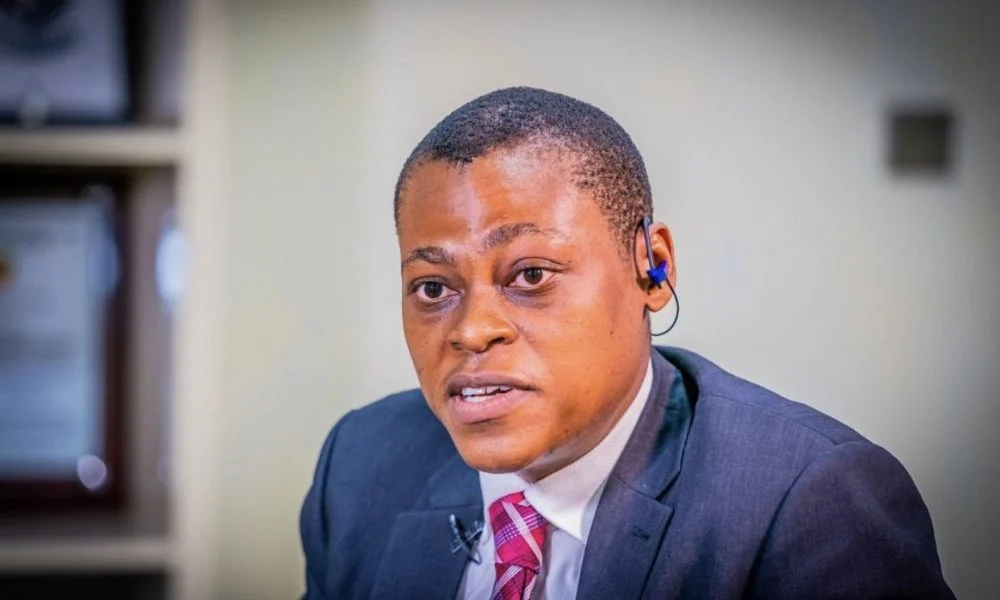
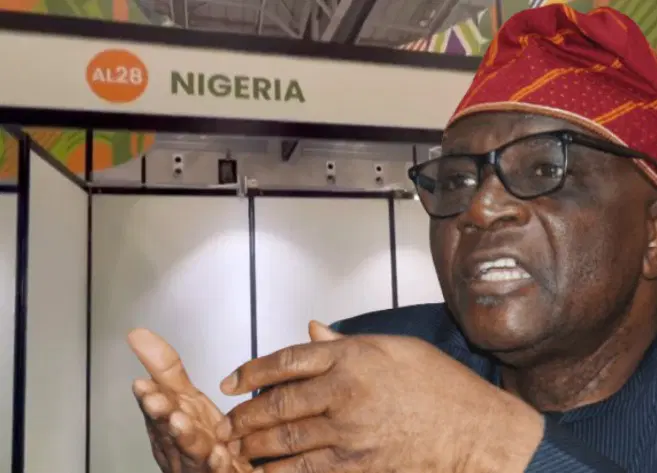
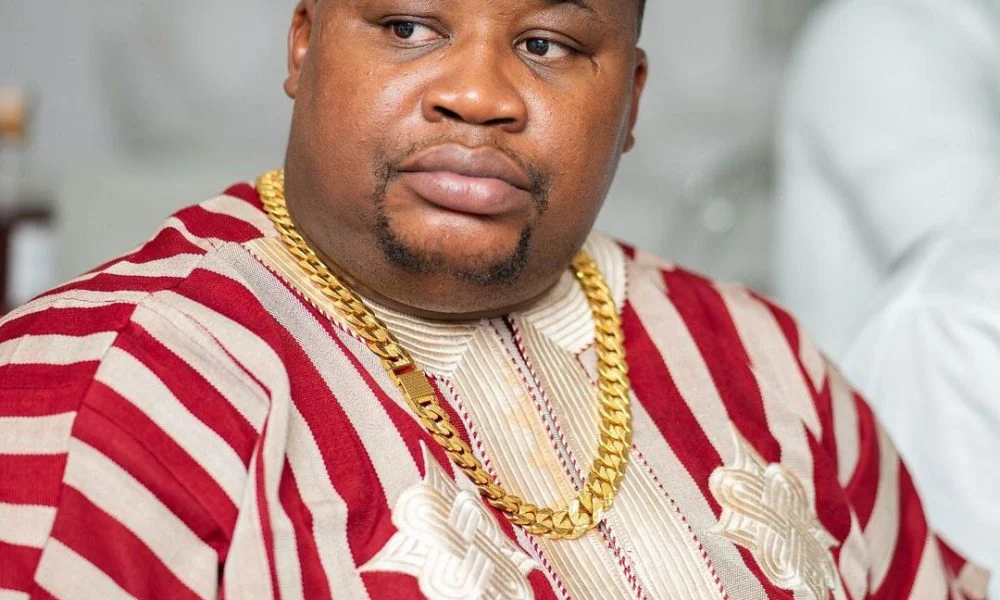
Arise Television presenter Rufai Oseni has questioned Peter Obi’s preparedness for the 2027 presidential election, raising concerns over the former Anambra State governor’s visibility, policy positions and reported disagreements within his political camp.
Oseni also questioned the relationship between Obi’s supporters, particularly the Obidient Movement, and the Nigeria Democratic Congress (NDC), asking whether the party was meeting the expectations of those looking to it as a platform for political change.
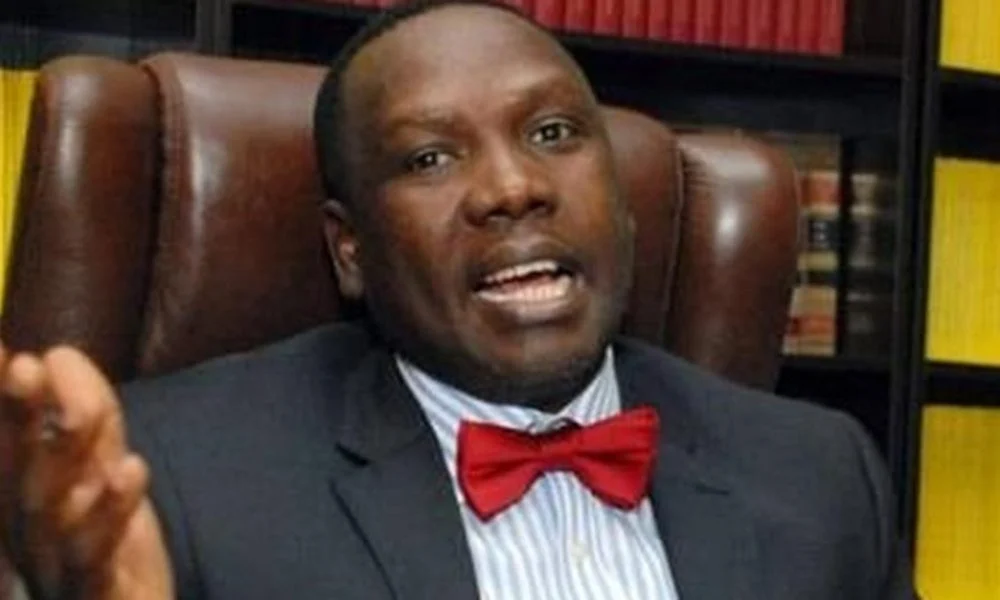
The broadcaster made the remarks on Friday during Arise Television’s Morning Show, while responding to comments by PDP chieftain Chief Don Ulasi on the opposition’s chances of challenging President Bola Tinubu in 2027.
Ulasi had described Obi as the only serious opposition figure capable of mounting a strong challenge against Tinubu, pointing to public concerns over inflation, rising food prices and other economic difficulties. However, the PDP chieftain also expressed doubts about the opposition’s ability to turn public dissatisfaction into electoral support, citing what he considered insufficient grassroots mobilisation and town hall engagements.
Responding, Oseni questioned the level of unity within Obi’s political camp and referred to reported disagreements between the Obidient Movement and the NDC. He suggested that such divisions could undermine efforts to build a coordinated opposition ahead of the next presidential election.
Oseni said some supporters had raised concerns about whether the NDC leadership genuinely represented their hopes and aspirations. He argued that the reported tensions raised broader questions about the party’s organisation and its ability to sustain the enthusiasm that surrounded Obi during the 2023 election.
The presenter also criticised what he described as inconsistencies in Obi’s position on petrol subsidy. He questioned the former governor’s policy direction and asked where his manifesto stood on the issue, arguing that his reported shifts had created uncertainty among some supporters. These remarks reflected Oseni’s assessment of Obi’s position rather than an independently established account of the candidate’s full policy record.
Oseni further claimed that Obi had lost some of the supporters who backed him in 2023 because of what he viewed as inconsistent messaging. With the 2027 election approaching, the broadcaster’s comments have brought renewed attention to the challenges facing opposition parties, including the need for clear policy proposals, stronger political organisation and effective grassroots engagement.