Now Reading: Madagascar Faces Fresh Famine Threat as El Niño Looms, With 270,000 Children at Risk
-
01
Madagascar Faces Fresh Famine Threat as El Niño Looms, With 270,000 Children at Risk
Madagascar Faces Fresh Famine Threat as El Niño Looms, With 270,000 Children at Risk

Thousands of families in southern Madagascar are facing a worsening hunger crisis as drought, rising food prices and cuts to international aid threaten to deepen malnutrition ahead of a potentially severe El Niño weather event. Aid agencies warn that the coming months could bring conditions worse than the famine that devastated the region in 2021 and 2022.
At a World Food Programme (WFP) centre in Ifotaka, children suffering from malnutrition wait for bowls of flour porridge. The facility opened after the previous famine, which the United Nations described at the time as the world’s first famine caused by climate change. The situation remains so severe that a staff member recently left the centre after learning that a malnourished two-year-old had died.
The World Meteorological Organization has warned of an increased risk of drought across southern Africa as El Niño develops from October. The weather pattern can disrupt rainfall and raise temperatures in vulnerable regions. Madagascar’s southern communities are already experiencing food shortages before the full effects of the anticipated event are felt.
Ifotaka was at the centre of the 2021–2022 hunger crisis, locally known as “kere”. Around 30,000 people in the surrounding area faced life-threatening food shortages, forcing some families to survive on boiled cactus and scraps of animal hide. Tania Goosens, the WFP’s country director, said Madagascar had experienced a sharp rise in climate-related disasters, including 35 cyclones, eight floods and five severe droughts over the past 20 years.
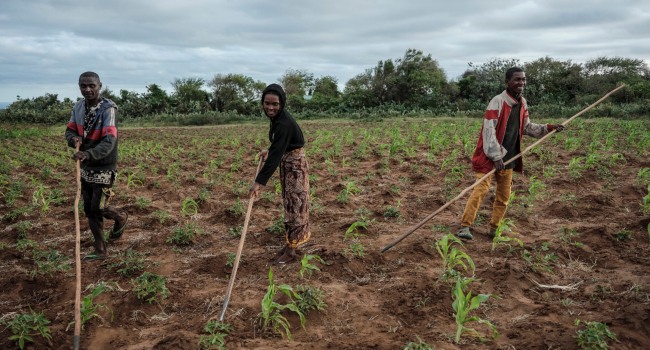
Farmers are now struggling with another season of poor rainfall. In the coastal village of Manindra, farmer James Tsirimalaza, 46, said the rains expected from late September had yet to arrive. Save the Children has doubled its usual budget for Madagascar in anticipation of worsening conditions. However, forecasts remain alarming: by April 2027, about 39 per cent of children under five in the country’s Grand South could suffer from acute malnutrition, affecting nearly 270,000 children.
Rising costs are adding to the pressure on households already struggling to afford food. The conflict involving the United States, Israel and Iran has contributed to higher oil and fertiliser prices, increasing the cost of transport, farming supplies and food production. Annual food inflation in Madagascar reached 10.4 per cent in July, up from 6.8 per cent in January, according to the figures cited in the report.
The healthcare system and humanitarian response are also under strain. A hospital in Amboasary-Atsimo recorded six deaths among malnourished children with medical complications this year, compared with 15 during the 2022 crisis. Funding cuts have further weakened support, including the end of US-funded assistance for patient transport and health training two months before the report. The WFP estimates that 3.7 million people in Madagascar could face crisis-level food insecurity, while its funding for planned assistance to 720,000 people this year remains far below requirements.
For many farmers, access to water could mean the difference between harvesting crops and losing another season. Some are investing in solar-powered pumps to draw groundwater, but drilling a well can cost more than two million ariary, around $450 — far beyond the reach of most families. With more than 90 per cent of the population living below the World Bank’s cited poverty threshold of $2.15 a day in 2023, many communities have few options as they wait for rain and brace for a potentially devastating food crisis.