Now Reading: Regulator Can Force Man City Owners to Sell Club, Chair Says
-
01
Regulator Can Force Man City Owners to Sell Club, Chair Says

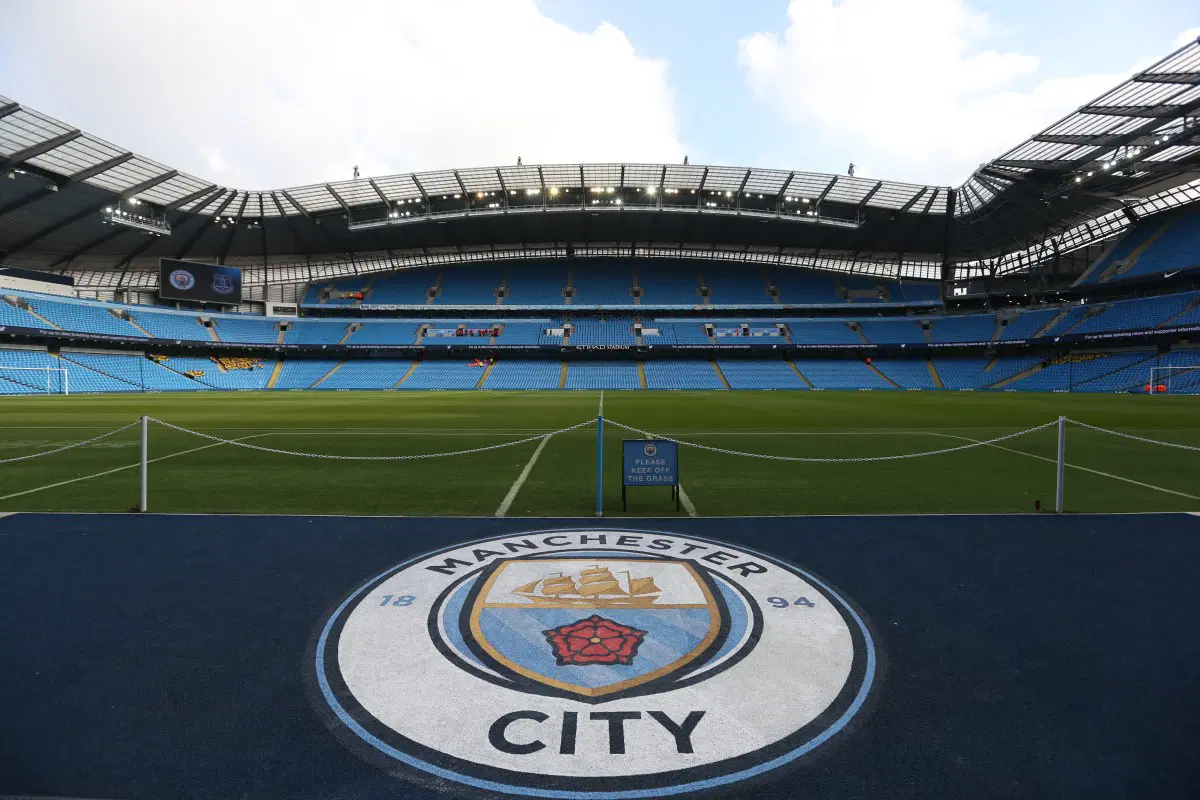
The chair of English football’s Independent Football Regulator (IFR), David Kogan, has said the watchdog has the authority to force Manchester City’s owners to sell the club if they are ultimately found to have operated it improperly.
Kogan made the statement during an appearance on The Rest Is Football podcast, explaining that the regulator could require an owner to step aside if their conduct failed to meet the required standards of fairness and propriety.
“We have the power to ask an owner to step away from a club if we believe that they run a club in a way that is neither fit, fair or done with propriety,” Kogan said.
Asked whether an owner could refuse to sell, he replied: “No. We’ve got absolute power to do so.”
The comments come amid the long-running case involving Manchester City and allegations of breaches of Premier League financial regulations. An independent commission has considered more than 100 charges relating to the club’s financial conduct between 2009 and 2018.
City, owned by Sheikh Mansour bin Zayed Al Nahyan, the vice-president and deputy prime minister of the United Arab Emirates, deny wrongdoing and have appealed the commission’s findings. The outcome of the proceedings could have significant implications for the club.
Kogan also said he would resign if there were political interference in any investigation the IFR might conduct into Manchester City, underlining the importance of the regulator’s independence.
The case has also drawn political attention following comments by British Prime Minister Andy Burnham, who expressed concern about the possibility of City’s Abu Dhabi-based owners leaving the club after the findings. Downing Street subsequently stressed that nobody was above the rules.
Burnham, who served as mayor of Greater Manchester from 2017 until June 2026, has since published details of his dealings with Manchester City’s hierarchy.
The case presents a challenge for the UK government as it seeks to maintain relations with the United Arab Emirates while ensuring that football regulation and disciplinary proceedings remain