Now Reading: El Niño: 6 Ways the Climate Phenomenon Could Affect Nigerians
-
01
El Niño: 6 Ways the Climate Phenomenon Could Affect Nigerians

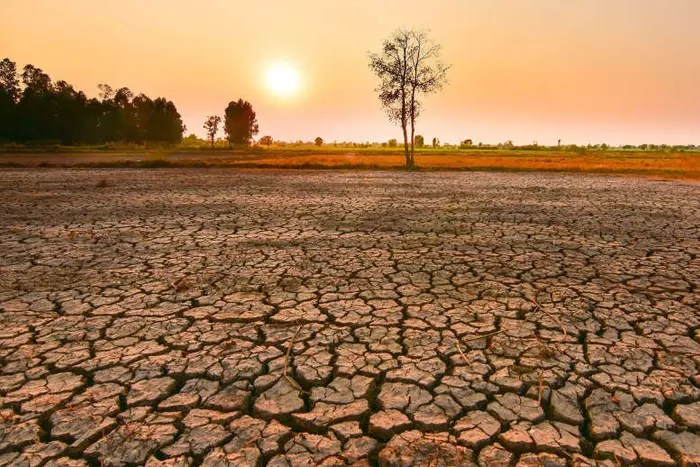
A strengthening El Niño could influence global weather patterns into early 2027, raising concerns about extreme heat, changing rainfall patterns, food production and water supplies in Nigeria.
El Niño is a natural climate phenomenon involving unusually warm sea surface temperatures in the central and eastern tropical Pacific Ocean. Although the Pacific is far from Nigeria, the warming can alter atmospheric circulation and influence weather conditions in different parts of the world.
For Nigerians, the potential effects include longer dry spells in some areas, higher temperatures, pressure on agriculture and livestock, and possible increases in food prices. Heavy rainfall and flooding may also occur, depending on local weather conditions.
A report by the Climate Impact Lab has projected approximately 31,400 additional heat-related deaths in Nigeria over a six-month period. However, this is a projection, not a confirmed death toll, and the estimate should be understood in the context of the report’s assumptions.
The effects of El Niño are not the same everywhere. Local conditions, seasonal rainfall patterns and other weather systems will influence how different parts of Nigeria are affected.
Here are six ways the phenomenon could affect Nigerians and practical steps households can take to prepare.
What is El Niño?
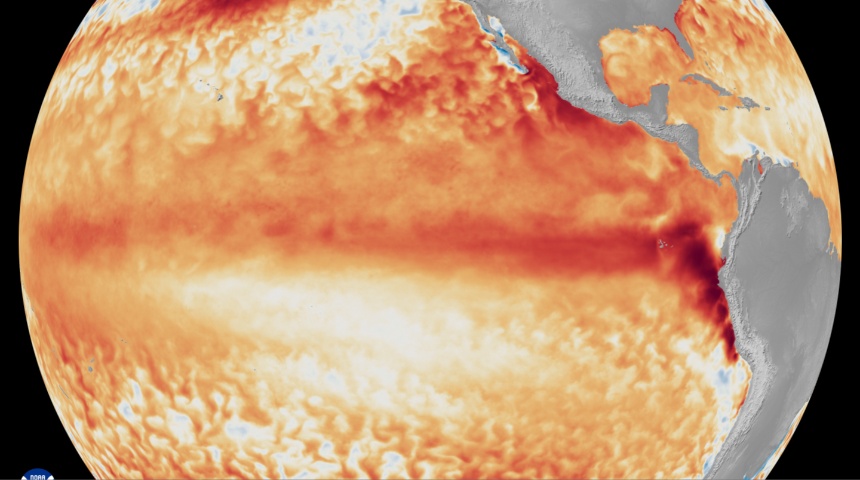
El Niño occurs when sea surface temperatures in the central and eastern equatorial Pacific Ocean become warmer than usual for an extended period.
This warming affects atmospheric circulation, including winds and the movement of heat and moisture. These changes can influence weather patterns far beyond the Pacific region.
El Niño is one phase of the El Niño–Southern Oscillation (ENSO), a natural climate pattern with three broad phases: El Niño, La Niña and ENSO-neutral conditions. La Niña is associated with cooler-than-usual sea surface temperatures in the same parts of the Pacific.
El Niño events typically occur every two to seven years and often last around nine to 12 months, although their duration and intensity vary.
Importantly, El Niño does not automatically make every country hotter or drier. Its influence depends on regional climate conditions, the time of year and other atmospheric factors.
6 ways El Niño could affect Nigerians
1. Longer dry spells and irregular rainfall
One potential impact is a change in the timing, duration and distribution of rainfall.
In areas that experience seasonal rainfall, prolonged dry spells or delayed rains could leave soil with insufficient moisture for crops. If the rainy season starts late or ends earlier than expected, farmers may also have less time to complete their planting and harvesting cycles.
Such conditions could affect communities that depend heavily on rain-fed agriculture, particularly where irrigation and other water-management systems are limited.
2. Lower crop yields and higher food prices
Changes in rainfall and prolonged heat can affect crop growth, particularly when they occur during critical stages of planting and development.
If dry spells reduce harvests or flooding damages farmland, the amount of food reaching markets could decline. This may put upward pressure on prices, especially for crops produced in affected areas.
Higher food prices would place additional pressure on households already struggling with living costs. However, the actual effect on prices would also depend on transport costs, market supply, imports and other economic factors.
3. Higher temperatures and heat-related illness
El Niño can contribute to higher global average temperatures, although local temperature outcomes vary.
During periods of extreme heat, outdoor workers, including farmers, construction workers and market traders, may face increased risks of dehydration, heat exhaustion and other heat-related illnesses.
Hotter conditions can also increase demand for fans and air conditioners, potentially raising household electricity costs.
Residents can reduce their exposure by drinking clean water regularly, wearing lightweight clothing, seeking shade and limiting strenuous outdoor activities during the hottest parts of the day.
4. Water shortages and pressure on livestock
Extended periods of insufficient rainfall can reduce the replenishment of rivers, reservoirs and other water sources.
Dry conditions can also limit the availability of pasture and vegetation that livestock depend on for food. Herders may have to travel farther to find water and grazing land, while animals could experience reduced productivity if feed and water become scarce.
These pressures may affect pastoralist livelihoods and the availability of meat, milk and other animal products.
The severity of the impact will depend on the duration of dry conditions, access to water and grazing areas, and the availability of support for affected communities.
5. Heavy rainfall and flooding
Although El Niño can favour drier conditions in some regions, it does not rule out heavy rainfall or flooding in Nigeria.
Other weather systems can produce intense rainfall, sometimes following a prolonged dry spell. Flash floods may develop when heavy rain falls faster than the ground and drainage systems can handle it.
Flooding can destroy crops, wash away seeds, damage homes and roads, and displace residents in vulnerable communities.
People living in flood-prone areas should pay attention to official warnings, keep drainage channels clear where safe to do so and move to safer locations when authorities issue evacuation instructions.
6. Increased risks from waterborne and mosquito-borne diseases
Changes in temperature and rainfall can influence the spread of certain diseases, although the effects differ by location.
Flooding may contaminate drinking-water sources with sewage and waste, increasing the risk of waterborne illnesses such as cholera and diarrhoeal diseases.
Temperature and rainfall changes can also influence mosquito breeding and malaria transmission in some areas. The relationship is complex, however, and higher temperatures do not automatically mean more malaria everywhere.
Using safe drinking water, maintaining proper sanitation, following public health advice and taking recommended measures to prevent mosquito bites can help reduce health risks.
How Nigerians can prepare for possible El Niño impacts
Stay hydrated and protect yourself from heat
Drink clean water regularly, wear light, loose-fitting clothes and reduce strenuous activities during the hottest hours. Check on children, older adults and others who may be more vulnerable to heat-related illness.
Prepare for heavy rain
Clear gutters and drainage channels where it is safe to do so. Keep medicines, important documents and electrical items away from areas likely to flood. Follow official alerts and avoid walking or driving through floodwater.
Plan for possible water shortages
Where practical, keep a safe supply of drinking water in clean, covered containers. Use water carefully during shortages and follow local guidance on water safety.
Manage household food supplies carefully
Plan meals and purchases around your budget, store food properly and use existing supplies before buying more. Avoid panic-buying, which can place unnecessary pressure on household finances and local markets.
Follow reliable weather updates
Monitor forecasts and advisories from the Nigerian Meteorological Agency (NiMet), emergency management authorities and relevant public health agencies. Respond to the risks forecast for your location rather than assuming every part of Nigeria will experience the same conditions.
Conclusion
El Niño is a natural climate phenomenon that can influence weather patterns across the world, but its effects vary by region. For Nigeria, changes in rainfall and temperature could create challenges for farming, water supplies, public health and household budgets.
Following local forecasts, taking sensible precautions during extreme heat and preparing for both dry spells and heavy rainfall can help communities reduce potential risks as weather conditions evolve.