Now Reading: ADC in Deep Leadership Crisis as Mark, Bala Factions Clash Ahead of 2027 Elections
-
01
ADC in Deep Leadership Crisis as Mark, Bala Factions Clash Ahead of 2027 Elections
ADC in Deep Leadership Crisis as Mark, Bala Factions Clash Ahead of 2027 Elections

The African Democratic Congress (ADC) is sliding into a serious leadership crisis as rival factions battle for control of the party ahead of the 2027 general elections, raising fresh doubts about its stability and political direction.
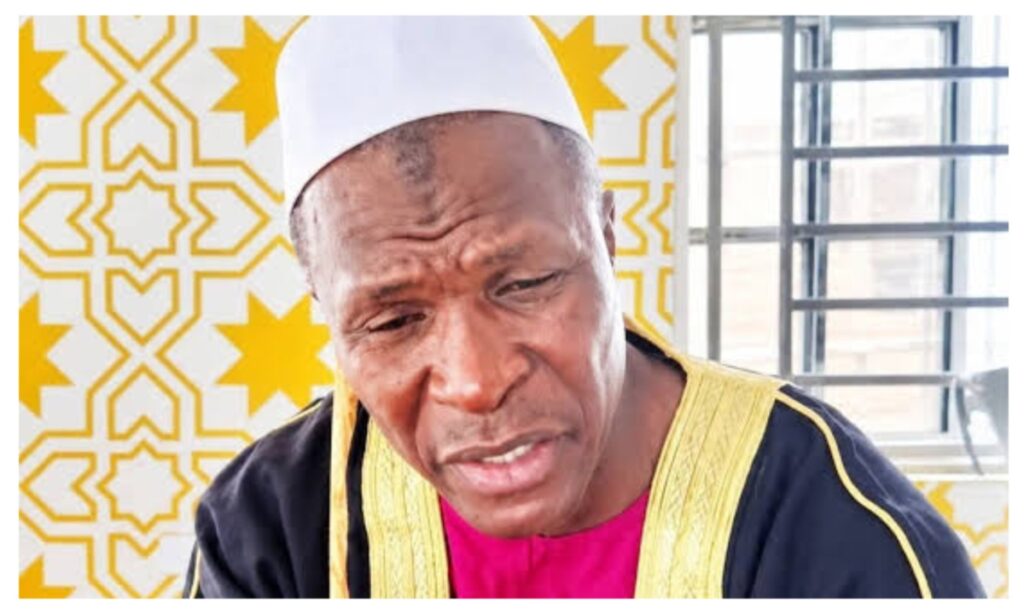
At the centre of the dispute are two power blocs — one led by former Senate President David Mark and another backed by Nafiu Bala — each insisting it represents the legitimate leadership of the party.
Tensions escalated after the Mark-led faction announced the expulsion of Bala, alongside figures such as Leke Abejide and other officials, during its 8th National Convention in Abuja. The group said the move followed the party’s constitution.
But Bala has rejected the decision outright, describing the convention as illegal and insisting it has no recognition from the Independent National Electoral Commission (INEC) or legal authority.
Speaking to journalists in Abuja, Bala dismissed the expulsion as meaningless, arguing that those behind it lacked the standing to discipline him or others. “Our suspension is nullity… they are not even members of our party,” he said, adding that the group would challenge the move.
While the internal power struggle continues, a parallel contest is already emerging within the Mark-led bloc over who may eventually fly the party’s presidential flag in 2027, deepening political uncertainty inside the ADC.
Former Vice President Atiku Abubakar has also added fuel to the broader opposition debate, recently insisting that he remains the strongest contender among northern aspirants in any potential coalition arrangement.
The opposition landscape is further complicated by the influence of Peter Obi, Rabiu Musa Kwankwaso and former minister Chibuike Amaechi, all of whom continue to shape emerging alliances ahead of the next election cycle.
Obi’s supporters have repeatedly maintained that he will only accept a “president or nothing” position in any coalition, while his political alignment with Kwankwaso has become more visible in recent months. Both camps recently backed the launch of the Obi–Kwankwaso Movement, a new pressure group seeking to influence 2027 negotiations.
Amid rising tension, Dumebi Kachikwu, ADC’s 2023 presidential candidate, accused leading aspirants of chasing personal ambition over national interest, describing the current race for alignment as politically driven desperation.
Political analyst Hassan Ibrahim warned that the ADC crisis must be resolved quickly if the party hopes to remain relevant in 2027, stressing that internal unity is a prerequisite for any meaningful coalition challenge against President Bola Tinubu.
Ibrahim noted that past opposition failures in 2023, when Atiku Abubakar, Peter Obi and Kwankwaso contested separately, cost the opposition a realistic path to victory despite their combined vote strength.
He argued that any future alliance could still defeat the ruling All Progressives Congress (APC) if managed properly, but warned that unresolved ego battles and leadership disputes may again hand the presidency to Tinubu.
Beyond party politics, discussions around coalition arrangements have intensified, with Kwankwaso’s camp indicating openness to any role, including a vice-presidential slot, if it strengthens opposition unity.
According to Kwankwaso’s spokesperson Habibu Saleh, the former Kano governor is more focused on defeating the APC than personal ambition, describing him as willing to “make sacrifices” for electoral victory.
Saleh also dismissed claims that Kwankwaso’s influence is limited to Kano, insisting his national vote strength and grassroots support prove otherwise.
Despite the confidence within opposition camps, analysts warn that without resolving the ADC’s internal crisis and managing competing ambitions, efforts to build a united front ahead of 2027 may collapse before they begin.