Now Reading: APC Chieftain Attacks Atiku’s Fuel Subsidy Plan, Warns Against Return to ‘Corrupt’ Era
-
01
APC Chieftain Attacks Atiku’s Fuel Subsidy Plan, Warns Against Return to ‘Corrupt’ Era
APC Chieftain Attacks Atiku’s Fuel Subsidy Plan, Warns Against Return to ‘Corrupt’ Era

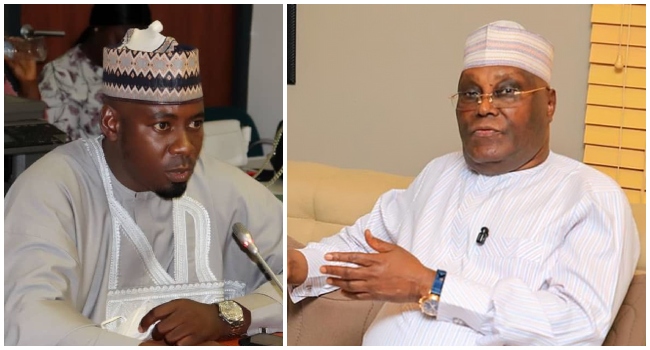
An All Progressives Congress (APC) chieftain in Kebbi State, Aminullah Mustapha, has criticised African Democratic Congress (ADC) presidential candidate Atiku Abubakar over his pledge to reintroduce fuel subsidy if elected president in 2027.
Mustapha, a petroleum marketer and former ADC House of Representatives aspirant, described the proposal as a potential return to a system he alleged was weakened by corruption, diversion of public funds and abuse by some participants.
Speaking in a statement issued to journalists in Birnin Kebbi on Sunday, the APC chieftain argued that Nigeria should not return to a fuel subsidy regime without first addressing the problems that previously surrounded it.
Drawing from his experience in the petroleum business, Mustapha alleged that funds meant for oil transportation were sometimes paid to companies that did not deliver the required products. He claimed that some beneficiaries collected government payments without transporting the fuel for which they had been contracted.
He also alleged that petroleum products covered by subsidy payments sometimes ended up in neighbouring Niger Republic and Benin Republic, arguing that such practices meant public funds intended to support Nigerian consumers could benefit other countries.
Mustapha further claimed that some depot owners were paid for imported petroleum products before the products arrived in Nigeria. He said such alleged practices demonstrated the weaknesses he associated with the former subsidy system.
The APC chieftain praised President Bola Tinubu for removing the fuel subsidy, describing the decision as a difficult but necessary step to tackle what he called longstanding inefficiencies and corruption in the petroleum sector.
“President Tinubu was courageous and honest with Nigerians by removing the subsidy,” Mustapha said, while accusing political opponents of failing to acknowledge the alleged problems associated with the old system.
He urged Nigerians to scrutinise political promises ahead of the 2027 election, arguing that the priority should be policies capable of improving economic conditions and citizens’ welfare rather than returning to what he described as a wasteful subsidy regime.