Now Reading: APM Demands Full Disclosure of ₦15tn Lagos-Calabar Coastal Highway Contract
-
01
APM Demands Full Disclosure of ₦15tn Lagos-Calabar Coastal Highway Contract
APM Demands Full Disclosure of ₦15tn Lagos-Calabar Coastal Highway Contract

The Presidential Campaign Council of the Allied Peoples Movement (APM) has demanded full disclosure of procurement records, contractor selection, contract costs and payment details for the ₦15 trillion Lagos-Calabar Coastal Highway project.
The council’s demand follows the Federal Government’s decision to realign a section of the highway in Ondo State, a development that has raised questions about the project’s planning, cost implications and transparency.
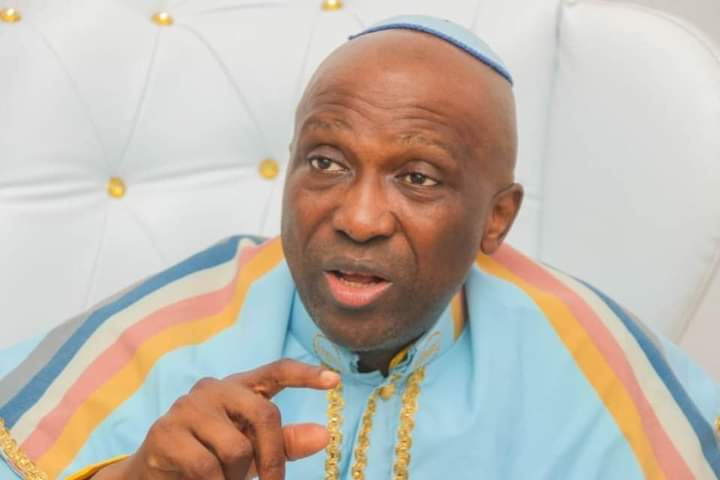
The council’s Director-General, Felix Hyat, made the demand at a press conference on Tuesday, criticising the government’s handling of the project and calling for the publication of relevant technical and financial records.
Works Minister David Umahi had defended the rerouting of the Ondo section, explaining that the original alignment passed through terrain containing pits deeper than 100 metres. According to the minister, the geological conditions would have significantly increased construction costs.
Umahi maintained that the revised route was based on engineering considerations and the need to ensure value for public funds. He also acknowledged receiving petitions alleging that he had improperly diverted the highway’s route in Ondo State but insisted that the decision was justified.
Reacting, Hyat accused the Federal Government of poor planning and raised concerns about alleged procurement irregularities. He called for the release of engineering assessments, alternative-route analyses, the financial implications of the realignment and a comprehensive audit of work completed and funds spent so far.
“The announcement by the Minister of Works, David Umahi, of the realignment of the Lagos-Calabar Coastal Highway route has once again brought to the fore allegations of technical and planning incompetence, policy inconsistencies, and troubling questions of transparency and accountability,” Hyat said.
He described the route adjustment as evidence of what he considered inadequate planning and an underestimation of the project’s engineering challenges. These are allegations made by the APM council, while the minister has maintained that the decision was justified by the terrain and construction costs.
The council also raised conflict-of-interest concerns over the award of the ₦15 trillion contract, alleging connections between the contractor’s corporate group and individuals linked to the Presidency. It called for disclosure of the procurement process and the records underpinning the contract award. The allegations have not been independently established in the information provided.
Hyat further questioned whether the government had explained the expected cost implications of rerouting the Ondo section to an existing road. He also challenged the minister’s references to climate change and environmental conditions, alleging that the project proceeded without the required statutory environmental impact assessment.
The APM council urged the government to publish the relevant documents and demonstrate that the project represents value for public money, particularly amid rising living costs and pressure on household finances.
The controversy has renewed debate over public procurement, infrastructure planning and accountability in major government projects. However, a clearer assessment of the financial impact of the realignment will require the release of the relevant engineering reports, revised cost estimates and expenditure records.