Now Reading: Aregbesola Admits ADC Failures in Anambra, FCT Polls, Blames Weak Funding and Poor Structure
-
01
Aregbesola Admits ADC Failures in Anambra, FCT Polls, Blames Weak Funding and Poor Structure
Aregbesola Admits ADC Failures in Anambra, FCT Polls, Blames Weak Funding and Poor Structure

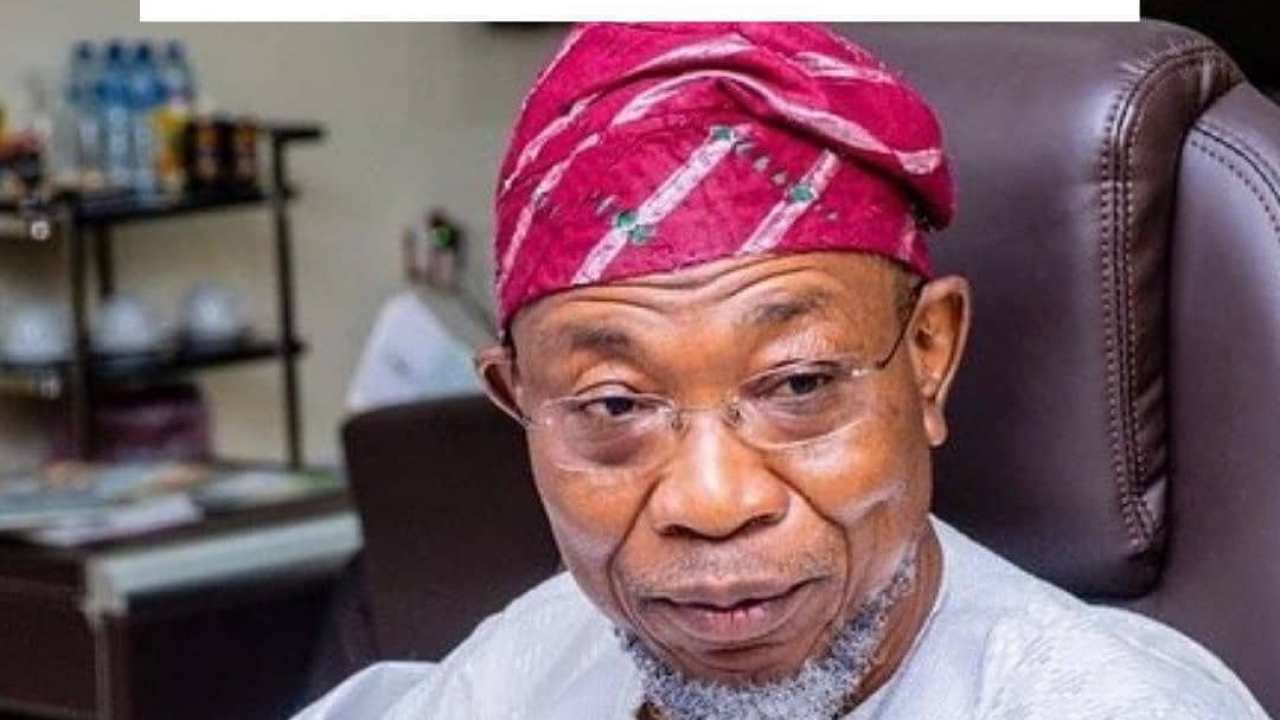
Nigeria’s political landscape is shifting again as the African Democratic Congress (ADC) openly admits to major setbacks in recent elections, with its leadership pointing to internal weaknesses and external pressures as key factors.
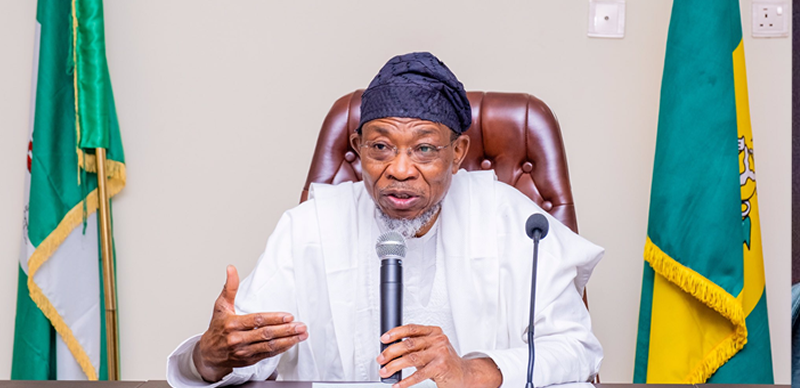
Speaking at the party’s ongoing national convention, National Secretary Rauf Aregbesola acknowledged that the ADC was not adequately prepared for the November 2025 Anambra governorship election and the February 2026 Federal Capital Territory (FCT) area council polls.
He attributed the losses to a mix of structural deficiencies within the party and what he described as unfair advantages enjoyed by rival parties, including the use of incumbency power and financial influence during the elections.
“Our party participated in the 2025 Anambra State and the February 26 FCT local government election. We were not victorious for various reasons,” Aregbesola said during his address.
He explained that while opponents relied heavily on state power and the monetisation of the electoral process, the ADC struggled with inadequate funding and a lack of readiness across its structures nationwide.
The party’s performance in the FCT elections underscored these challenges, with the All Progressives Congress securing five out of six area council seats, while the Peoples Democratic Party claimed the remaining seat.
Despite the setbacks, Aregbesola insisted the party has taken valuable lessons from the experience and is repositioning itself for upcoming electoral contests.
He specifically highlighted the Ekiti and Osun governorship elections as key opportunities for the ADC to demonstrate improved organisation and competitiveness.
The remarks signal a broader attempt by the party to recalibrate its strategy ahead of future elections, particularly as Nigeria’s political space becomes increasingly competitive and resource-driven.