Now Reading: Atiku Vows to Restore Targeted Petrol Subsidy If Elected, Tinubu Presidency Demands Cost Breakdown
-
01
Atiku Vows to Restore Targeted Petrol Subsidy If Elected, Tinubu Presidency Demands Cost Breakdown
Atiku Vows to Restore Targeted Petrol Subsidy If Elected, Tinubu Presidency Demands Cost Breakdown

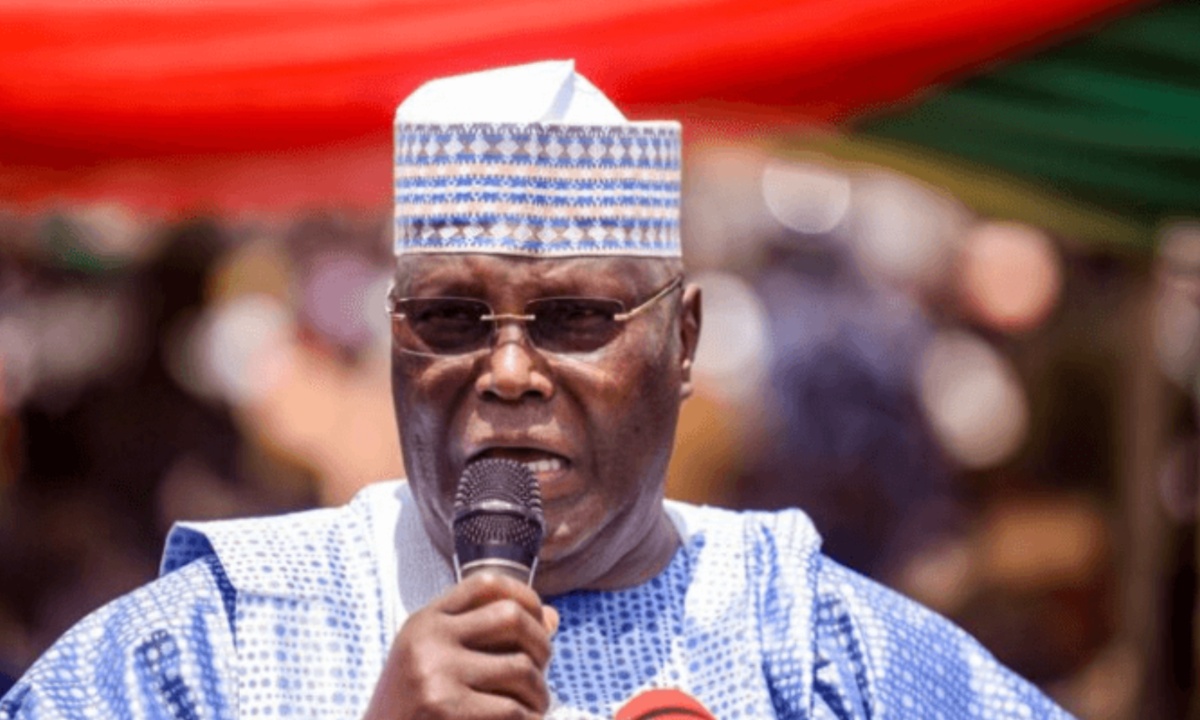
Former Vice President Atiku Abubakar has reignited the debate over Nigeria’s petrol subsidy ahead of the 2027 presidential election, promising to introduce a targeted subsidy system if elected president.
Atiku, the presidential candidate of the African Democratic Congress (ADC), said his proposed policy would link cheaper crude to verified domestic production while seeking to reduce the price of petrol for Nigerian consumers.
The proposal has drawn a sharp response from the Presidency, which warned that restoring petrol subsidies could place additional pressure on government finances and undermine the gains of the fuel subsidy removal policy introduced by President Bola Tinubu’s administration in 2023.
The Presidency also challenged Atiku to provide details of the proposed arrangement, including its estimated cost, funding source and safeguards against the fraud and abuse that characterised Nigeria’s previous subsidy regime.
Atiku, however, maintains that Nigerians have borne the impact of subsidy removal without seeing sufficient evidence of how the savings have been deployed. His position puts fuel affordability at the heart of his campaign message as political parties begin positioning themselves ahead of the 2027 election.
The former vice president’s proposal marks a clear contrast with the Tinubu administration’s approach, which has defended subsidy removal as necessary to reduce the financial burden on government and encourage investment in domestic refining and the wider petroleum sector.
The emerging political battle is therefore not simply about whether petrol should become cheaper, but how such a policy would be funded and sustained without recreating the fiscal problems associated with Nigeria’s former subsidy system.
With the 2027 presidential race gathering momentum, voters are likely to face competing promises on fuel prices, government spending and economic reforms. The central question will be whether Nigeria can make petrol more affordable while avoiding another costly and opaque subsidy regime.