Now Reading: Bolt Driver Registrations Jump 92% in Nigeria After Uber Exit
-
01
Bolt Driver Registrations Jump 92% in Nigeria After Uber Exit

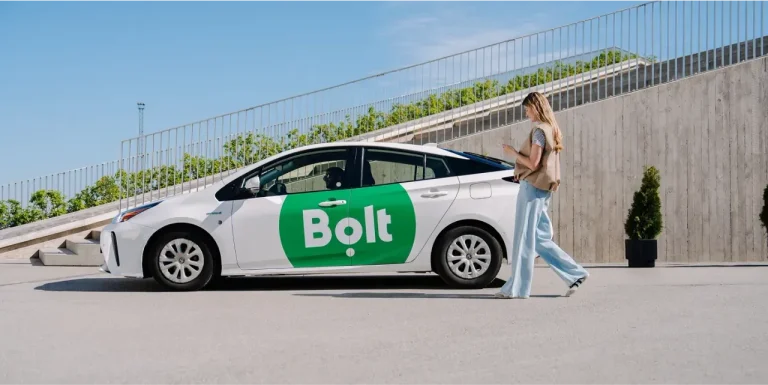
Bolt has recorded a 92 per cent week-on-week increase in driver registrations in Nigeria following Uber’s departure from the country, signalling a sharp shift in the ride-hailing market.
The Estonian mobility company, which has operated in Nigeria since 2016, disclosed the increase on Wednesday as drivers look for alternative platforms following Uber’s exit.
Uber ended its Nigerian operations on September 2 after about 12 years in the market. Its departure has left drivers and riders adjusting to a changed ride-hailing landscape, amid already high fuel, vehicle maintenance and other operating costs.
Bolt’s Senior General Manager for West Africa, Teddy Appa-Dankyi, confirmed the surge in registrations but did not disclose the actual number of drivers who registered before and after Uber’s exit. The 92 per cent figure therefore shows the scale of the week-on-week increase without indicating the company’s total new driver base.
Appa-Dankyi said the company was encouraged by the growing interest from drivers but stressed that Bolt would not relax its onboarding and safety standards because of the increased demand.
“Growth cannot come at the expense of safety,” he said, adding that every prospective driver would continue to undergo the company’s established checks before being approved to operate on the platform.
Bolt also said drivers who had previously been suspended or removed from the platform over serious safety violations, misconduct or other breaches would not automatically regain access following the increase in registrations.
The surge comes as Nigeria’s ride-hailing industry adjusts to Uber’s withdrawal. With one of the sector’s major operators no longer active in the country, competing platforms are now seeking to attract drivers and riders while dealing with the wider cost pressures affecting mobility businesses.
For Bolt, the increase in driver applications provides an opportunity to expand its network, although the company says maintaining safety and compliance standards will remain a priority as the Nigerian mobility market changes.