Now Reading: Cooking Gas Price Jumps to N17,500 as Nigerians Struggle With Rising Hardship and Inflation
-
01
Cooking Gas Price Jumps to N17,500 as Nigerians Struggle With Rising Hardship and Inflation
Cooking Gas Price Jumps to N17,500 as Nigerians Struggle With Rising Hardship and Inflation

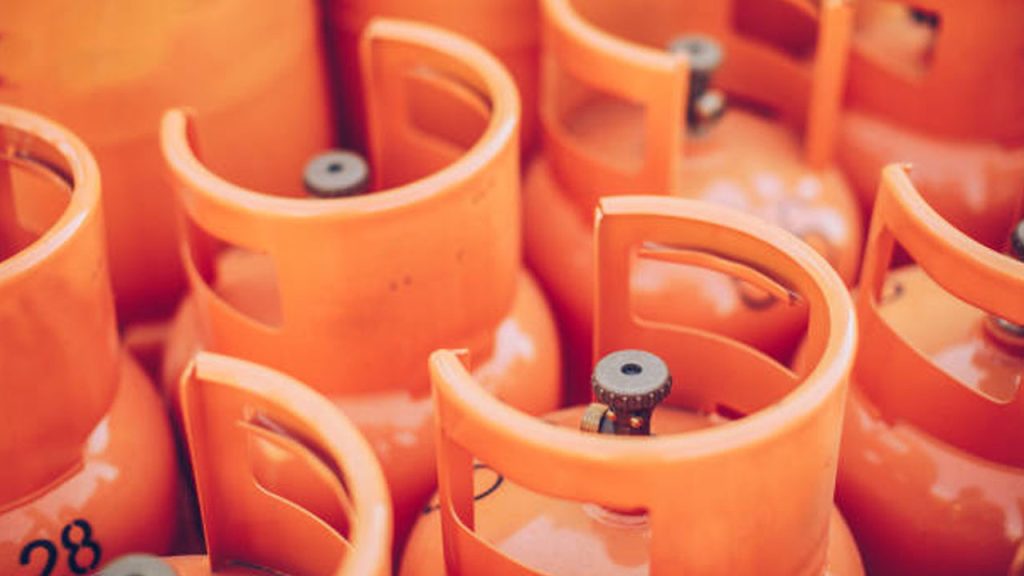
Fresh frustration is spreading across Nigerian households after another sharp increase in cooking gas prices pushed the cost of refilling a 12.5kg cylinder to as high as ₦17,500 in some parts of the country.
The latest hike in Liquefied Petroleum Gas (LPG), commonly known as cooking gas, has intensified concerns over the rising cost of living as millions of Nigerians continue to battle inflation, insecurity, high transport fares, poor electricity supply, and soaring food prices.
Across several gas stations in Lagos, residents were seen expressing anger and disbelief after prices suddenly jumped from about ₦14,200 to between ₦17,000 and ₦17,500 over the weekend.
At gas stations around Amuwo Odofin and Festac areas of Lagos State, many customers who arrived expecting previous prices were forced to either buy smaller quantities or return home empty-handed.
Some residents who came with 12.5kg cylinders reportedly settled for 8kg or 9kg refills, while others purchasing 4kg refills reduced their orders to 2kg due to financial constraints.
The development has renewed criticism of the economic situation in Nigeria, especially following the removal of fuel subsidy by the administration of Bola Tinubu in 2023.
Several residents blamed the subsidy removal for triggering rising costs across nearly every sector of the economy, including cooking gas.
One Lagos resident, John Chukwuebuka, warned that the increasing price of cooking gas could force many Nigerians back to using firewood and charcoal for cooking, a move he said could worsen deforestation and environmental degradation.
He noted that increased dependence on firewood could destroy forests, expose wildlife habitats to danger, and contribute to erosion and desertification in many parts of the country.
Another resident, identified simply as Morenike, lamented the worsening hardship facing ordinary Nigerians, describing the current economic climate as unbearable for struggling families.
Beyond the economic concerns, analysts are also warning about the social consequences of the continued rise in energy costs.
Public affairs analyst Chief Rowland Adenuga argued that cooking gas should be subsidised to discourage Nigerians from resorting to firewood and charcoal, which could have long-term environmental consequences.
He maintained that affordable cooking gas would help protect forests and reduce pressure on the environment while easing hardship on low-income households.
Education rights activist James Hamilton linked the development to rising inflation, saying the increasing cost of goods and services has affected nearly every aspect of daily life in Nigeria.
He warned that the government must urgently address the issue before frustration among citizens escalates further.
Meanwhile, Prof. Anthony Ugwu of Nnamdi Azikiwe University pointed to rising demand for cooking gas as another major factor behind the price increase.
According to him, many Nigerians now use LPG to power generators following the hike in petrol prices, placing additional pressure on supply.
He warned that if the trend continues unchecked, more Nigerians may abandon cooking gas entirely and return to traditional cooking methods.
The latest increase has once again placed economic hardship at the centre of public debate as Nigerians continue to struggle with rising living costs and declining purchasing power.