Now Reading: Dangote Refinery IPO: What Investors Stand to Gain as $5bn Offering Nears — Prof Iledare
-
01
Dangote Refinery IPO: What Investors Stand to Gain as $5bn Offering Nears — Prof Iledare
Dangote Refinery IPO: What Investors Stand to Gain as $5bn Offering Nears — Prof Iledare

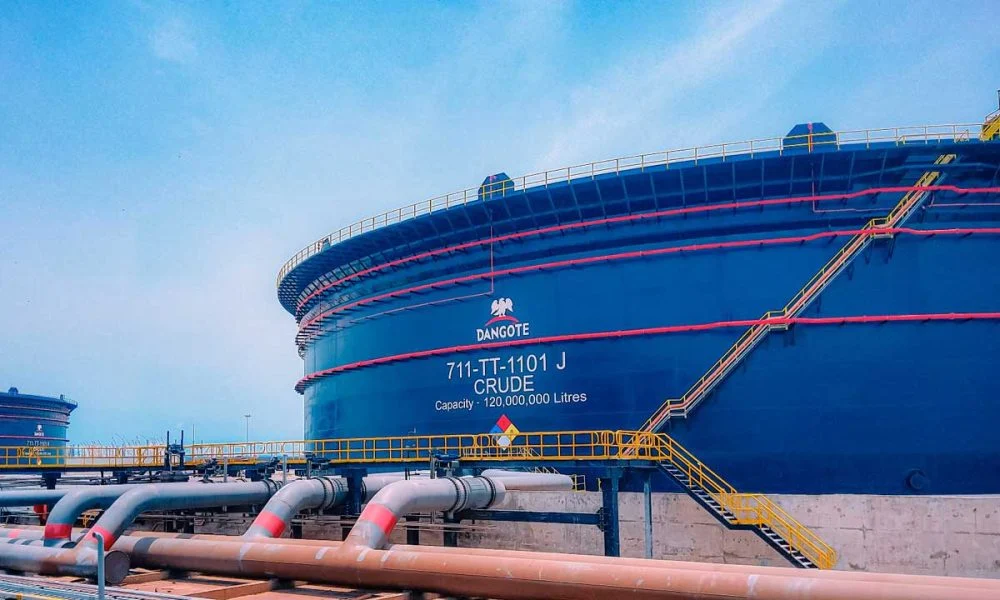
Investors could have strong opportunities when Dangote Refinery moves ahead with its planned $5 billion Initial Public Offering (IPO) in October 2026, according to Professor Emeritus of Petroleum Economics, Prof. Wunmi Iledare.
Iledare, a renowned energy expert, said investors would likely focus on the refinery’s long-term prospects, particularly the sustainability and accessibility of crude oil supplies needed to maintain operations.
The planned IPO, regarded as one of Africa’s largest public offerings, was moved to October from September after the refinery secured a $1 billion underwriting commitment.
Speaking exclusively to DAILY POST, Iledare said the outlook for investors remained positive, provided the refinery could maintain reliable access to crude.
“What investors are looking at is the prospect. And the prospect is good,” he said.
The petroleum economist explained that investors would assess whether the refinery could consistently obtain the raw materials required to operate at scale. He noted that access to crude would remain a key consideration because the refinery’s ability to produce refined petroleum products depends on a stable supply chain.
Iledare added that Dangote Refinery’s prospects could remain strong even where some of its inputs are sourced internationally, provided the company has the financial capacity to secure the required supplies.
“The only thing that the investor may be looking at is sustainability and accessibility to crude supplies,” he said.
The Dangote Refinery, Africa’s largest single-train refinery, has become a major player in Nigeria’s downstream petroleum industry since beginning operations. The facility supplies refined products to the Nigerian market and has also positioned itself to serve customers beyond the country.
The planned IPO would give investors an opportunity to acquire equity in the refinery while providing the company with substantial capital to support its operations and future expansion. However, the success of the offering will also depend on investor confidence in Nigeria’s energy sector, regulatory environment and the refinery’s ability to maintain reliable crude supplies over the long term.