Now Reading: Dangote Says He May Cut Refinery Stake to 25% as African Investor Demand Grows
-
01
Dangote Says He May Cut Refinery Stake to 25% as African Investor Demand Grows
Dangote Says He May Cut Refinery Stake to 25% as African Investor Demand Grows

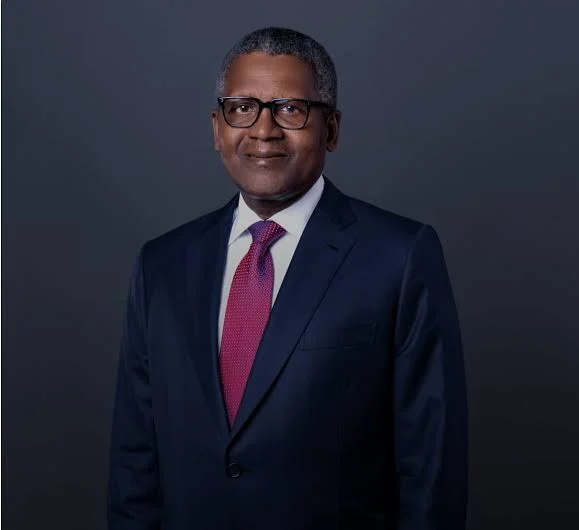
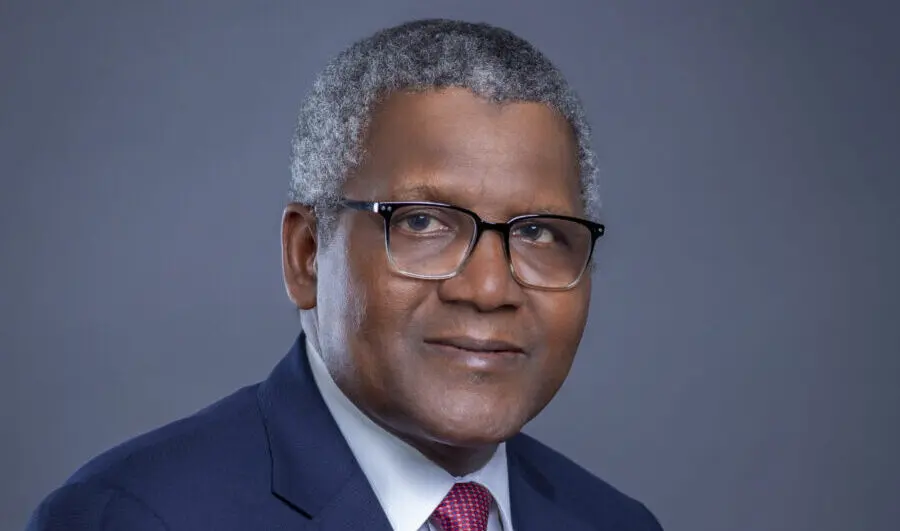
Africa’s richest man, Aliko Dangote, has said he is prepared to face legal challenges to his businesses and could reduce his ownership of the Dangote Petroleum Refinery to as little as 25 per cent if more Africans seek to invest in the company.
Dangote made the remarks during a fireside chat at the Nairobi Securities Exchange in Kenya, where he discussed his group’s expansion plans, the proposed refinery in Lamu and efforts to broaden African ownership of his businesses.
His comments came as the Dangote Group faced a legal challenge over the land earmarked for its planned 700,000-barrel-per-day refinery in Lamu. A Kenyan court had ordered that the existing status quo on the land be maintained pending further proceedings on October 14.
The case was brought by residents of Chandavai in Lamu County who claim the land is ancestral property and that families have lived and farmed there for generations. The petitioners have also raised concerns about alleged evictions, environmental requirements and public participation.
Dangote said such legal disputes were not unusual for his businesses in Africa and insisted that his group was prepared to deal with them.
“Anyone who wants to cause trouble, we are ready for them,” he said, while recalling a previous dispute in Senegal in which one of his factories was shut down for about a year before the company secured a Supreme Court judgment.
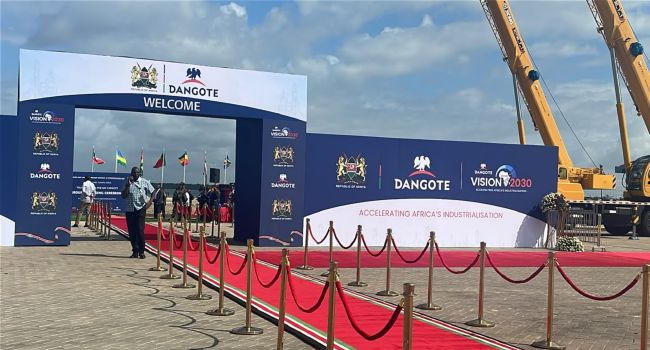
The Dangote Group had said the Kenyan court order would not stop the planned groundbreaking ceremony, although activities at the site could be affected pending the October 14 hearing. The groundbreaking subsequently went ahead on September 30, with Kenyan President William Ruto and other African leaders attending.
The Lamu refinery is projected to cost about $16 billion and is expected to be completed by 2030. Dangote has said the project will create tens of thousands of jobs and attract other industries, including businesses involved in petrochemicals, chemicals and related manufacturing.
Beyond Kenya, Dangote said his group wants to expand public ownership of its businesses across Africa. He disclosed that the refinery’s previous fundraising plans included a $1 billion private placement and a $1.5 billion initial public offering, amounting to $2.5 billion.
According to Dangote, the private placement attracted about $3.7 billion in demand, prompting the group to create a further $1.6 billion offering as part of its plan to broaden ownership.
He said the group was willing to sell more shares if demand remained strong, potentially reducing Dangote’s ownership of the refinery to 25 per cent.
“We don’t mind, even if Dangote will end up having twenty or twenty-five per cent, we have nothing to hide,” he said.
Dangote also said shareholders would have the power to change the company’s leadership through voting if they became dissatisfied with its performance, stressing that the group was committed to corporate governance and protecting minority investors.
The remarks come as the Dangote Petroleum Refinery in Lagos moves towards becoming a publicly traded company. Nigeria’s Securities and Exchange Commission has approved an IPO involving 4.1 billion ordinary shares at ₦525 each, while the refinery is also pursuing plans to expand its capacity to about 1.4 million barrels per day.
Dangote said the group also plans to deepen African capital-market participation, including listing the proposed Lamu refinery on the Nairobi Securities Exchange rather than the Nigerian Exchange.
He said the strategy reflected his view that African countries should increasingly participate in the ownership and financing of major projects on the continent.