Now Reading: El Niño Alert: NEMA Issues 8 Safety Measures for Nigerians as Heat, Drought Risks Grow
-
01
El Niño Alert: NEMA Issues 8 Safety Measures for Nigerians as Heat, Drought Risks Grow
El Niño Alert: NEMA Issues 8 Safety Measures for Nigerians as Heat, Drought Risks Grow

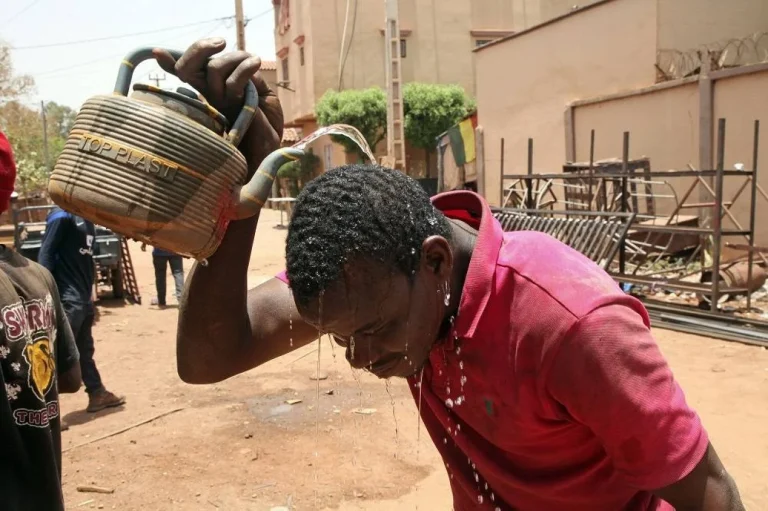
The National Emergency Management Agency (NEMA) has urged Nigerians to prepare for the potential effects of a strengthening El Niño phenomenon, warning of possible extreme heat, changing rainfall patterns, drought, flooding and food shortages.
The agency issued the warning in a Monday advisory titled “Super El Niño Is Coming: What You Can Do to Protect Yourself, Your Family and Your Community.” It outlined eight measures individuals, households and communities can adopt to reduce potential risks.
El Niño is a natural climate phenomenon that occurs when sea-surface temperatures in the central and eastern tropical Pacific Ocean become warmer than usual. It forms the warm phase of the El Niño-Southern Oscillation (ENSO), a climate cycle that also includes the cooler La Niña phase and neutral conditions.
Although the Pacific Ocean is far from Nigeria, El Niño can alter atmospheric circulation and influence temperatures and rainfall across the world. Its effects vary by region, meaning some areas may face drier conditions while others experience heavy rainfall.
The Nigerian Meteorological Agency (NiMet) reported in its August 2026 climate update that ocean observations confirmed the onset of a strong El Niño event. It said the phenomenon was intensifying and was expected to influence global climate patterns during the August-to-October 2026 period.
NEMA’s first recommendations focus on protecting people from extreme heat and conserving water. The agency advised Nigerians to drink clean water regularly, avoid direct sunlight between 11am and 4pm, wear lightweight clothing and check on children, older people and others vulnerable to heat-related illness. Households were also encouraged to fix leaking pipes, avoid wasting water and store drinking water in clean, covered containers.
To reduce the risk of food shortages and protect livelihoods, NEMA urged households to maintain emergency food supplies, support local farming and home gardening, and protect livestock and poultry. Farmers were encouraged to consider drought-resistant crops, adopt improved farming practices, diversify their income sources and explore available agricultural support programmes.
The agency also called for better sanitation and hygiene to reduce the risk of malaria and waterborne diseases, alongside early medical attention when illness occurs. It urged communities to share reliable warnings, support vulnerable residents and follow updates from NEMA, NiMet and other trusted sources, stressing the importance of acting on official advisories and reporting emergencies promptly.