Now Reading: IMF Warns Nigeria Against Petrol Subsidy Return, Urges Targeted Relief for Vulnerable Citizens
-
01
IMF Warns Nigeria Against Petrol Subsidy Return, Urges Targeted Relief for Vulnerable Citizens
IMF Warns Nigeria Against Petrol Subsidy Return, Urges Targeted Relief for Vulnerable Citizens

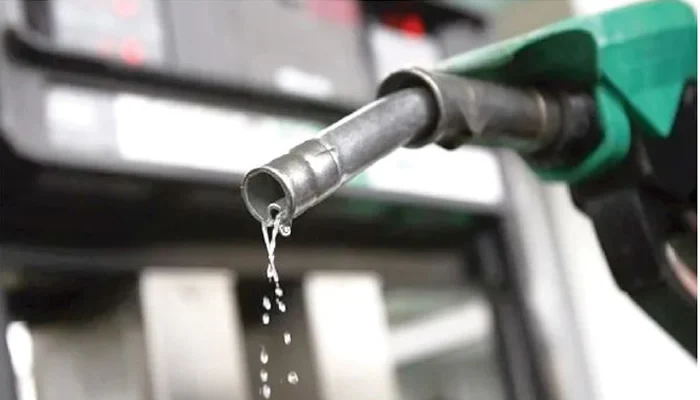
The International Monetary Fund (IMF) has advised Nigeria against restoring a blanket petrol subsidy, urging the Federal Government to direct financial support towards vulnerable citizens as rising energy costs put pressure on households.
Rodrigo Valdés, Director of the IMF’s Fiscal Affairs Department, gave the advice on Wednesday while responding to questions about calls for the return of petrol subsidies ahead of Nigeria’s next election cycle.
He spoke during the IMF and World Bank Group annual meetings in Bangkok, Thailand, acknowledging the political pressure governments face when fuel prices rise but warning that broad-based subsidies can impose a heavy financial burden.
Valdés said governments needed to explain to citizens that rising fuel prices could reflect global market pressures and that cushioning the impact through universal subsidies would be expensive.
He argued that some of the money spent on blanket subsidies would be better used to support people most affected by higher energy costs.
“It’s much better to use some of that money that you would spend in the subsidies channeled towards more vulnerable people,” Valdés said.
He also suggested that governments could subsidise public transport or provide other targeted assistance instead of keeping fuel prices artificially low for all consumers.
“Gasoline could go up and perhaps bus fees may be subsidised in a way. That is a much better policy at the end of the day than just a blanket subsidy for everybody,” he added.
The IMF has maintained that broad-based fuel subsidies are costly and can disproportionately benefit higher-income households, which generally consume more fuel. The fund has also argued that subsidies can discourage adjustments in fuel demand when global supplies are constrained.
Valdés said subsidised fuel prices could intensify pressure on global energy markets by preventing demand from responding adequately to tighter supplies.
The advice comes as Nigeria faces renewed concerns over petrol prices following increases in global energy costs. The Federal Government recently announced a 30-day petrol discount at Nigerian National Petroleum Company Limited retail outlets, with priority for public transport operators, as a temporary measure to cushion consumers.
Finance Minister Taiwo Oyedele said NNPC Retail would sell petrol at cost by foregoing its retail profit margin. He described the arrangement as temporary relief rather than a return to a government-funded petrol subsidy.
The Federal Government has also proposed negotiating a ceiling of ₦1,350 per litre on petrol’s ex-gantry or landing cost, subject to monthly reviews.
Davide Furceri, a division chief in the IMF’s Fiscal Affairs Department, recommended redirecting resources towards public transport users and other vulnerable groups. He also cited school feeding programmes, geographically targeted assistance and support for vulnerable farmers as possible measures.
Furceri acknowledged that some countries lacked comprehensive household registries and digital payment systems needed to deliver targeted support effectively. However, he said governments could adopt alternative methods while improving their systems.
He recommended that assistance should be limited, targeted and temporary, allowing governments to cushion the effects of higher energy costs without committing to expensive universal subsidies.