Now Reading: Iran Warns US as Strait of Hormuz Tensions Boil Over After Fresh Naval and Missile Clashes
-
01
Iran Warns US as Strait of Hormuz Tensions Boil Over After Fresh Naval and Missile Clashes
Iran Warns US as Strait of Hormuz Tensions Boil Over After Fresh Naval and Missile Clashes

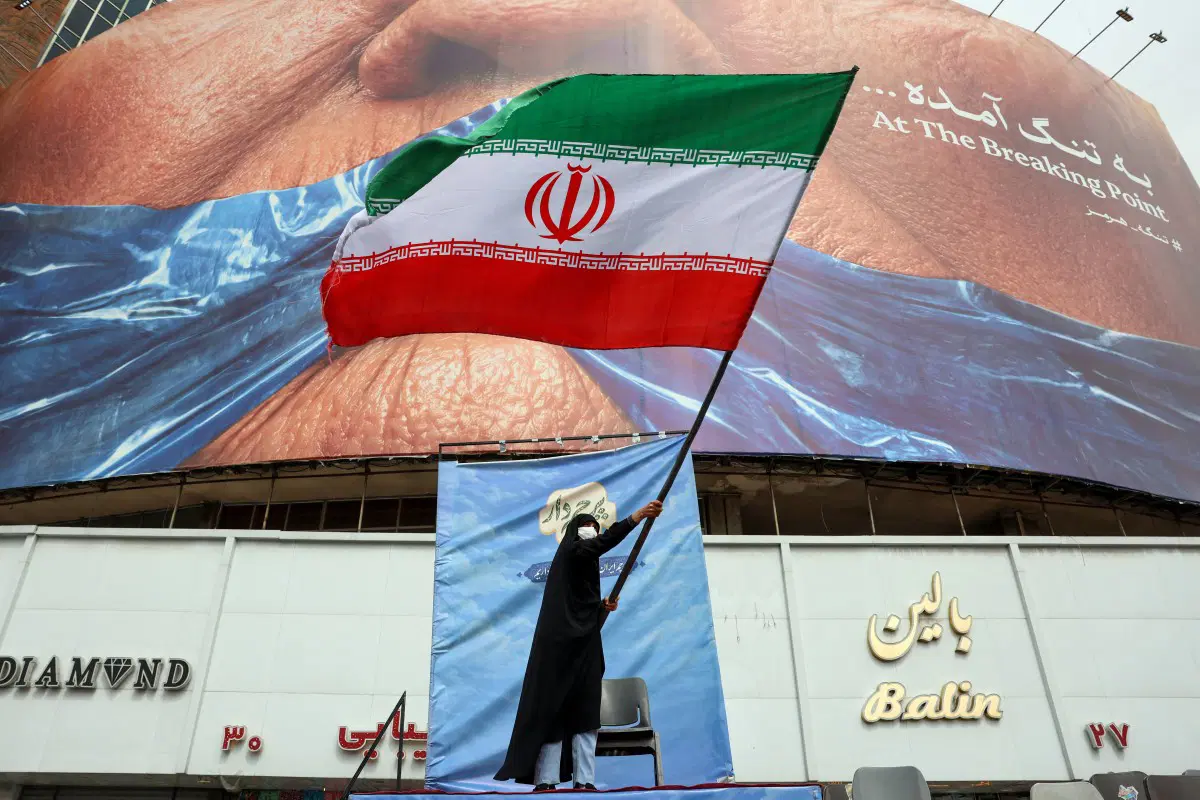
Tensions in the Gulf have surged sharply after Iran issued a fresh warning to the United States over escalating military activity in the strategic Strait of Hormuz, a vital global oil shipping route now at the centre of renewed confrontation.
The warning comes after the US military reported a series of strikes involving Apache and Seahawk helicopters targeting Iranian boats accused of threatening commercial vessels, alongside claims of missile and drone attacks in the region.
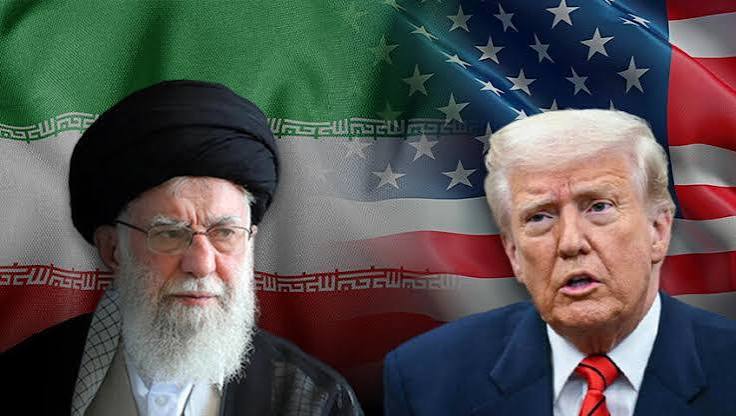
Iran’s parliamentary speaker and chief negotiator, Mohammad Bagher Ghalibaf, issued a stark message on social media, warning Washington that continued escalation would carry consequences, while insisting Tehran has not yet fully responded in kind.
His comments followed US President Donald Trump’s reported plan to escort ships from neutral countries through the Gulf, a move that has intensified already fragile tensions in one of the world’s most sensitive maritime corridors.
The Strait of Hormuz, through which a significant portion of global oil supplies passes, has become a flashpoint as both sides trade accusations over attacks on shipping and military targets.
Iran has denied claims that its naval forces were struck, but accused the United States of killing civilians during recent operations at sea, while insisting it will not relinquish control over the waterway.
Regional alarm is growing. The United Arab Emirates described recent missile and drone incidents, including strikes near Fujairah, as a dangerous escalation, while Saudi Arabia has called for urgent diplomatic efforts to de-escalate tensions.
European leaders have also voiced concern over the economic fallout, warning that prolonged instability could further disrupt global energy markets already under strain.
Despite the growing crisis, some commercial shipping continues under tight security. Danish shipping giant Maersk confirmed that one of its vessels successfully transited the Strait of Hormuz under US naval escort.
Diplomatic efforts, however, remain stalled. Only limited direct talks between Washington and Tehran have taken place, with no breakthrough in sight as military activity continues to rise.
Analysts warn that the ongoing confrontation risks dragging the wider Middle East into deeper instability, with global markets already reacting to fears of disruption in energy supplies.