Now Reading: Jet Fuel Hits ₦3,000/Litre: Airlines Threaten Shutdown from April 20 as Nigeria’s Aviation Crisis Deepens
-
01
Jet Fuel Hits ₦3,000/Litre: Airlines Threaten Shutdown from April 20 as Nigeria’s Aviation Crisis Deepens
Jet Fuel Hits ₦3,000/Litre: Airlines Threaten Shutdown from April 20 as Nigeria’s Aviation Crisis Deepens

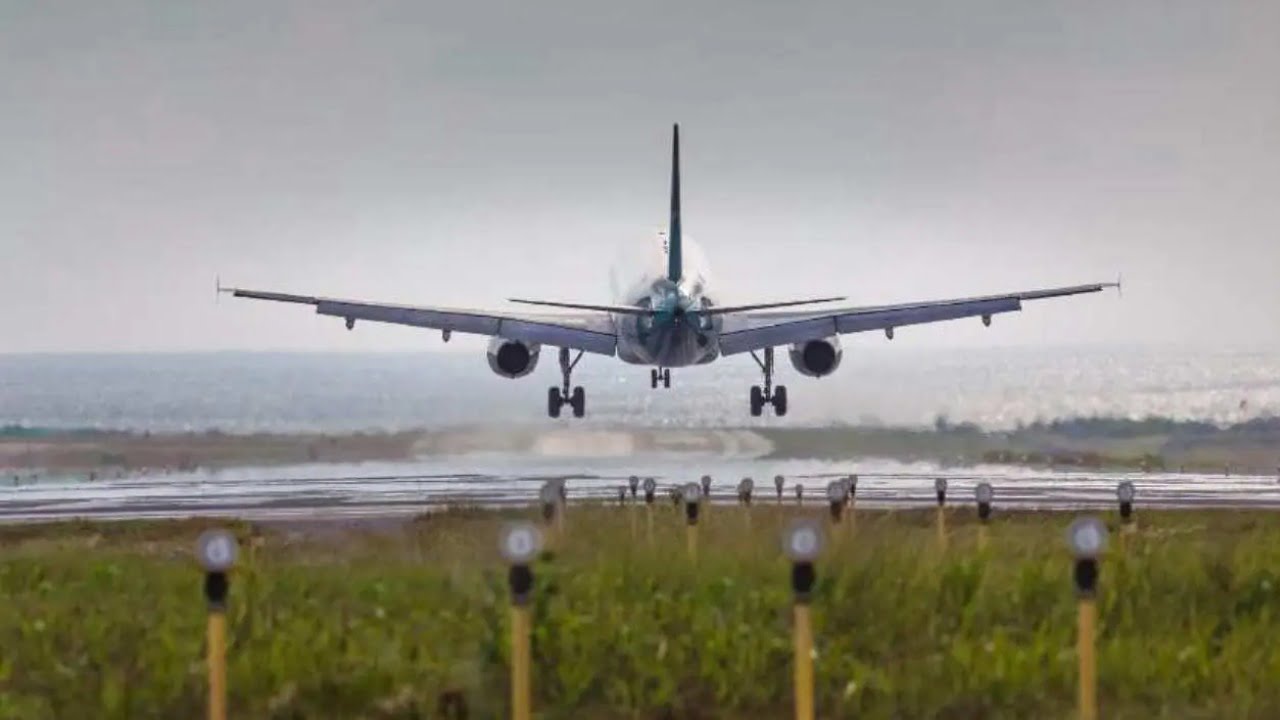
Nigeria’s aviation industry is bracing for a potential shutdown as skyrocketing jet fuel prices push airlines to the brink, with operators warning that services could begin to halt from April 20.
The alarm was raised by Tunji Oyebanji, who revealed that the cost of Jet A1 has surged to about ₦3,000 per litre—an increase airlines say is simply unsustainable.
According to Oyebanji, at least one airline may have already suspended operations, while others are preparing to follow suit if the situation does not improve urgently. He noted that the crisis is being driven by both local supply challenges and tightening global markets.
A key factor is the ongoing Middle East conflict, particularly involving Iran, which has disrupted refining output and reduced global availability of aviation fuel. The ripple effect has pushed prices higher worldwide, leaving Nigerian operators especially exposed.
Unlike international carriers that rely on long-term fuel supply contracts, domestic airlines typically purchase fuel on a spot basis at airports. This model, while flexible, leaves them highly vulnerable to sudden price spikes during periods of scarcity.
Oyebanji also pointed to the absence of hedging mechanisms, meaning local airlines lack protection against volatile fuel costs. In contrast, foreign carriers are better shielded through structured agreements that stabilise pricing over time.
Financial pressures are compounding the crisis. Oil marketers, wary of credit risks, often insist on cash payments for fuel, placing additional strain on airlines’ already stretched working capital.
There are also concerns about domestic supply priorities. While local refining capacity has improved, a significant portion of output is reportedly being exported to meet rising global demand, raising questions about availability within Nigeria.
Industry experts warn that the consequences of a shutdown would extend far beyond the aviation sector, disrupting business travel, trade, and economic activity across the country.
With crude oil prices climbing above $100 per barrel amid global tensions, stakeholders are calling for urgent intervention to stabilise fuel supply, regulate pricing, and prevent a full-blown aviation crisis.