Now Reading: Kidnapped, Tortured and Threatened With Organ Harvesting: Iraqi Kurdish Migrants Reveal Horror in Libya
-
01
Kidnapped, Tortured and Threatened With Organ Harvesting: Iraqi Kurdish Migrants Reveal Horror in Libya
Kidnapped, Tortured and Threatened With Organ Harvesting: Iraqi Kurdish Migrants Reveal Horror in Libya

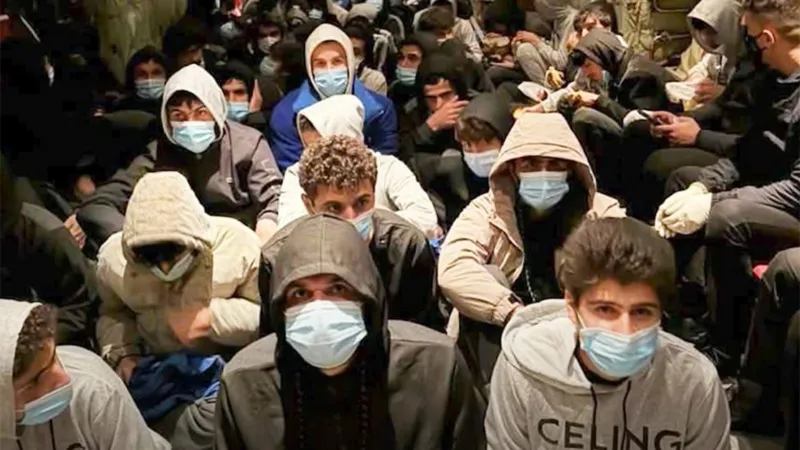
A disturbing human trafficking network operating between Iraqi Kurdistan and Libya has been exposed after migrants revealed they were kidnapped, tortured and threatened with forced organ removal while attempting to reach Europe.
Several young men from Iraqi Kurdistan told the BBC they were held captive by a Libyan militia after being smuggled into the North African country as part of a migration route to Europe. The victims said their captors demanded $5,000 ransom from each family and warned that unpaid victims could lose their kidneys.
The migrants were allegedly recruited through a smuggling operation linked to Iraqi Kurdish trafficker Noah Aaron, who is currently serving a 10-year prison sentence in France for separate money laundering and human smuggling offences. Reports suggest a dispute over payments between Aaron and the Libyan militia triggered the kidnappings.
Former hostages described horrifying conditions inside the detention compound. One teenager said nearly 180 people were squeezed into a tiny cell where prisoners slept sitting upright because there was no space to lie down. Another victim showed burn scars on his leg, claiming he was tortured while in captivity.
Families of the abducted migrants reportedly received violent videos and photographs from the kidnappers. In one recording, a hostage was allegedly taken away while being told his kidney would be removed if ransom money was not paid quickly enough.
Some families later discovered scars on the bodies of released victims, raising fears that forced organ removals may have taken place. Medical experts consulted by the BBC reportedly said the scars appeared consistent with surgical incisions linked to kidney operations, although there is no independent confirmation that organs were actually harvested.
The Iraqi government eventually organised a repatriation flight that returned more than 100 hostages back to Iraqi Kurdistan earlier this year. However, local officials believe some migrants may still be trapped in Libya, while others may have died in captivity.
The case has once again highlighted the dangerous migration routes running through Libya, where rival militias and weak government control have allowed human trafficking networks to flourish for years. Security experts say criminal gangs continue to exploit desperate migrants seeking passage into Europe through the Mediterranean.
Authorities in Iraqi Kurdistan are now urging young people to avoid illegal migration routes, warning that smugglers are exposing migrants to kidnapping, torture, extortion and possible organ trafficking. Despite the growing dangers, officials admit many people are still attempting the journey due to economic hardship and hopes of reaching Europe.