
Now Reading: Lucknow Earns UNESCO Gastronomy Status, Bringing India’s Celebrated Awadhi Cuisine to the World
-
01
Lucknow Earns UNESCO Gastronomy Status, Bringing India’s Celebrated Awadhi Cuisine to the World
Lucknow Earns UNESCO Gastronomy Status, Bringing India’s Celebrated Awadhi Cuisine to the World

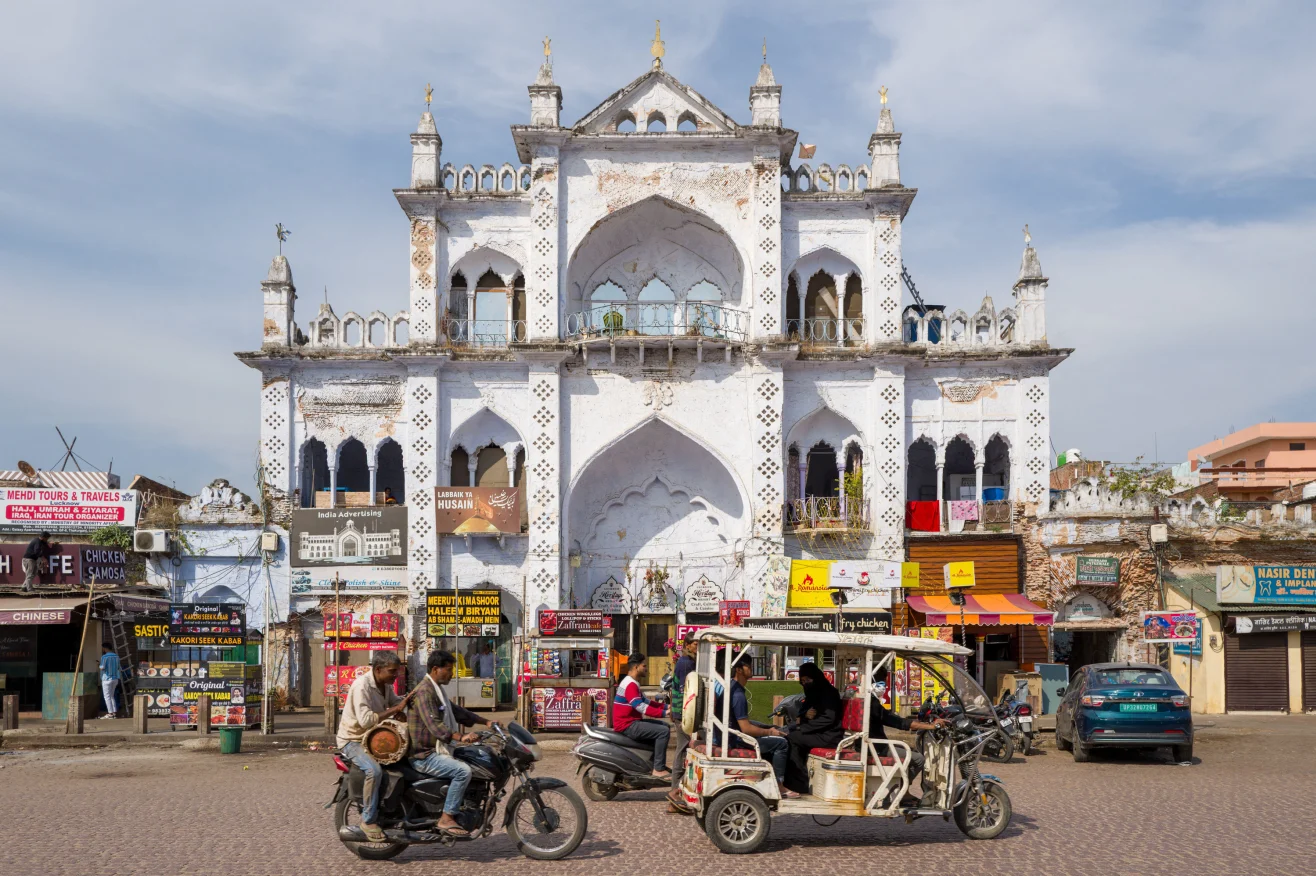
Lucknow’s legendary food culture is finally receiving the global recognition many believe it has long deserved after UNESCO named the northern Indian city a Creative City of Gastronomy, shining an international spotlight on its centuries-old culinary heritage.
For generations, the aroma of freshly prepared galawati kebabs has filled the narrow streets of Lucknow’s old quarter. At the iconic Tunday Kababi restaurant, diners gather daily to enjoy the city’s signature melt-in-the-mouth kebabs wrapped in soft paratha—a tradition that has become synonymous with India’s historic Awadhi cuisine.
Despite being regarded as one of India’s greatest culinary capitals, Lucknow has often been overshadowed internationally by food destinations such as Delhi and Mumbai. UNESCO’s recognition, announced in October 2025, is expected to change that by highlighting the city’s enduring food traditions and their continued influence on modern Indian cuisine.
The designation makes Lucknow only the second Indian city, after Hyderabad in 2019, to join UNESCO’s global Creative Cities Network, which includes more than 400 cities across over 100 countries celebrated for their cultural contributions.
Awadhi cuisine traces its origins to the historic region of Awadh—formerly known as Oudh during British colonial rule. The cuisine flourished after Nawab Asaf-ud-Daula moved the regional capital from Faizabad to Lucknow in 1775, transforming the city into a centre of art, architecture and royal gastronomy until British annexation in 1856.
Within the royal kitchens of the Nawabs, chefs blended Persian-inspired Mughal cooking techniques with locally sourced ingredients from the fertile Indo-Gangetic plains. The result was a refined culinary tradition known for its slow cooking, subtle seasoning and remarkable attention to detail rather than excessive use of spices.
Celebrity chef and MasterChef India judge Ranveer Brar believes the global perception of Awadhi cuisine often misses what truly makes it exceptional.
“The biggest misunderstanding is that Awadhi cuisine is ‘heavy.’ It isn’t. It is delicate. It is nuanced. It is built on restraint. The richness people speak about is not about excess—it is about technique, balance and patience,” Brar said.
Beyond its celebrated cuisine, Lucknow is also renowned for its Mughal-era architecture, including landmarks such as the Bara Imambara and Chota Imambara. Tourism experts believe UNESCO’s recognition could encourage more international visitors to experience both the city’s rich history and its distinctive culinary traditions.
As global interest in food tourism continues to grow, Lucknow’s UNESCO honour is being viewed as a milestone that could firmly establish the city among the world’s premier gastronomic destinations.