Now Reading: NDC in Fresh Crisis as Primary Election Fallout Triggers Obi-Okonkwo Clash, Kwankwaso Exit Threat
-
01
NDC in Fresh Crisis as Primary Election Fallout Triggers Obi-Okonkwo Clash, Kwankwaso Exit Threat
NDC in Fresh Crisis as Primary Election Fallout Triggers Obi-Okonkwo Clash, Kwankwaso Exit Threat

Cracks are beginning to widen inside the National Democratic Congress (NDC) just weeks after the party positioned itself as one of Nigeria’s fastest-growing opposition movements ahead of the 2027 general elections.
What was expected to strengthen the party after its nationwide primaries on May 29 has instead triggered accusations of manipulation, candidate imposition, internal betrayal, and power struggles involving some of the NDC’s biggest political blocs.
Although the party’s National Executive Committee announced that it had ratified the outcome of the primaries, official candidate lists are yet to be released nationwide — a delay that has fueled tension across several states.
Kano State has emerged as the epicentre of the crisis, with members of the Kwankwasiya Movement and long-standing NDC officials locked in a fierce battle over control of the party structure.
Supporters of former Kano State Governor and NDC vice-presidential candidate, Rabiu Musa Kwankwaso, have been accused of dominating the nomination process, while legacy party officials insist agreed power-sharing arrangements were ignored.
The controversy escalated after unofficial candidate lists surfaced online, sparking outrage among party members who alleged that influential figures were attempting to rewrite the outcome of the primaries behind closed doors.
In the South-East, tension is also rising within the Obidient Movement, where several aspirants accused party leaders of misleading them into paying millions of naira despite earlier assurances from the leadership.
Attempting to calm the situation, NDC spokesperson Osas Director insisted the party had not released any official results from Kano or any other state, urging members to ignore lists circulating on social media.
He also confirmed that a closed-door reconciliation meeting involving the Kwankwasiya Movement and Kano party officials was facilitated by NDC National Leader, Seriake Dickson.
“The NDC leadership will not impose candidates in Kano State or anywhere in the country,” Director said, adding that the discussions were productive and aimed at strengthening internal democracy.
Despite those assurances, reports persist that Kwankwaso threatened to dump the party after disagreements over candidate replacements in Kano.
Party sources claimed that a previous arrangement brokered by Dickson allocated 60 per cent of the Kano structure to the Kwankwasiya Movement and 40 per cent to existing NDC officials. However, tensions reportedly grew after nomination forms and positions allegedly went almost entirely to Kwankwaso loyalists.
The crisis has now spread beyond Kano.
In Enugu State, members of the Concerned Youths of Nsukka Local Government Area staged a protest at the party headquarters, demanding transparency in candidate selection and warning against imposition.
“Our protest is in the interest of the NDC in Nsukka Local Government. We are passionate supporters of the party in Nsukka,” the group’s convener, Ejiribeofor Omeke, said.
Meanwhile, another group of party stakeholders led by Uche Uzomba demanded explanations over the prolonged silence surrounding the official release of results, warning that uncertainty could damage public trust in the party.
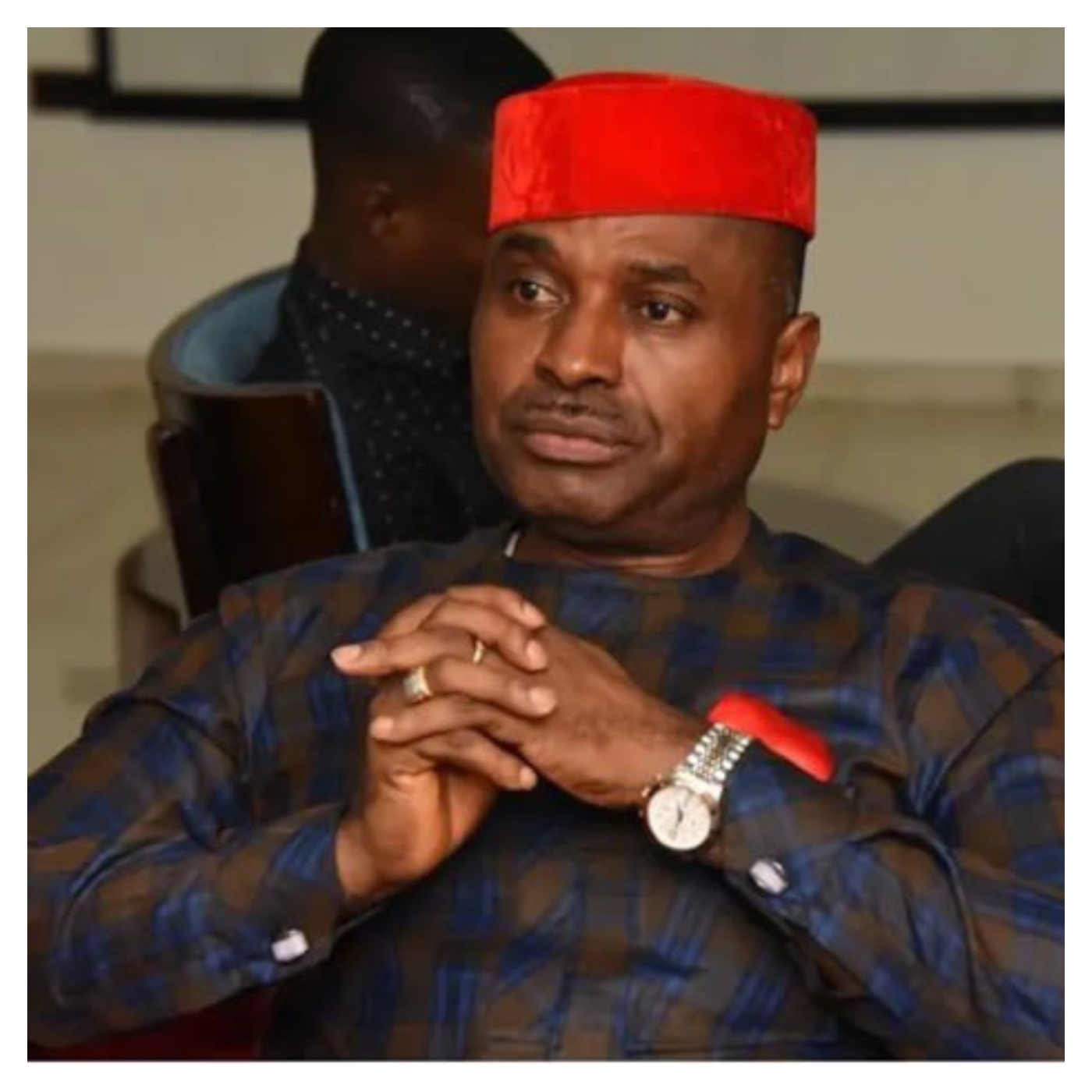
The internal turmoil took a more dramatic turn after a public clash erupted between NDC presidential candidate, Peter Obi, and his former ally, Kenneth Okonkwo.
Speaking on Channels Television, Okonkwo accused Obi and some South-East NDC leaders of demanding money from aspirants seeking elective positions.
He alleged that aspirants were made to pay huge sums while candidate lists were secretly being prepared elsewhere.
“While they were doing the primaries, Peter Obi was in the John Wood hotel writing names of candidates,” Okonkwo alleged.
Obi has denied the allegations and has now filed a lawsuit against Okonkwo through his lawyer, Chief Alex Ejesieme (SAN), describing the claims as false, malicious, and damaging to his reputation.
Amid the growing crisis, Dickson has continued efforts to preserve unity within the party, insisting that rapid growth naturally comes with challenges.
According to him, both the Obidient Movement and the Kwankwasiya Movement remain vital to the NDC’s future political strength.
Political analyst Sam Amadi believes the party’s problems reveal deeper structural weaknesses.
Speaking on Arise Television, Amadi said the NDC appeared overwhelmed by its sudden expansion and lacked a clear strategy for managing nationwide primaries.
“The handling of this process could backfire badly if not properly managed,” he warned.
Despite the mounting controversy, leaders of the Obidient Movement insist the party is still evolving.
National Director of the movement, Yunusa Tanko, described the situation as part of the growing pains of a rapidly expanding political party.
“It’s a party that we are still building. As a growing party, it’s bound to have challenges,” Tanko said.
With unresolved disputes, legal threats, and accusations of manipulation now dominating headlines, the NDC faces a major test of its internal stability just as preparations for the 2027 elections gather momentum.