Now Reading: Nigeria at 66: Cleric Urges Nigerians to Reflect on Nation’s Future
-
01
Nigeria at 66: Cleric Urges Nigerians to Reflect on Nation’s Future

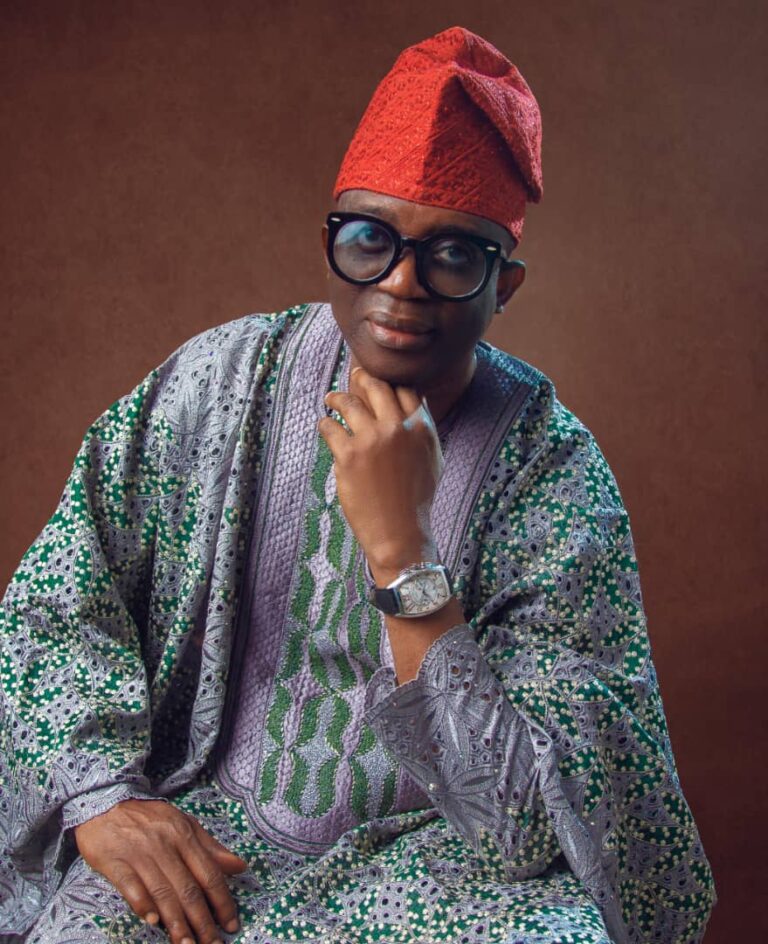
As Nigeria marks its 66th Independence Anniversary, the Founder and Spiritual Master of the Caring and Sharing Sufi Centre (Muslims in Light Organization), Dr Rasheed Akinbile, has urged Nigerians and their leaders to undertake a deeper reflection on the country’s journey and future.
Akinbile, in an Independence Day statement issued in Ibadan on Thursday, said Nigeria could no longer depend on oil wealth or wait for a single solution to transform the country.
Describing the period as one that requires national introspection, he said, “the oil childhood is over”, urging Nigerians to consider what kind of national character they want to build.
He noted that Nigeria’s population had grown significantly since independence in 1960 and said the country needed to “sit quietly with itself and ask what is real” as it considers the values and institutions it wants to develop.
Akinbile also pointed to a generational transition, saying members of the generation that witnessed independence were gradually passing away while those who inherited leadership responsibilities had grown older.
He said the central question for the present generation should no longer be, “What did our fathers build?” but rather, “What have we, their children, kept?”
The cleric described Nigeria at 66 as being in an “institutional adolescence”, arguing that the country has established foundational structures but continues to shape the national character needed to sustain them.
According to him, countries can face significant institutional challenges several decades after independence, particularly when institutions are expected to function without the emotional memory associated with the independence generation.
Three tests for Nigeria
Akinbile identified three major issues he believes Nigeria must confront: the peaceful transfer of political power, feeding its growing population while retaining young talent, and building a shared national identity.
On political transitions, he said Nigeria needed a system in which political competition did not threaten the lives or livelihoods of those who lose elections.
He said the country should develop a political culture where “the loser goes home and lives well”, stressing the importance of peaceful competition and political stability.
Akinbile also called for greater attention to food security and the retention of talented young Nigerians, warning that the country risks losing valuable human capital if young people continue to look abroad for better opportunities.
On national identity, he said Nigeria needed a shared narrative capable of bringing together citizens from different ethnic and religious backgrounds.
He said the country should have “one national story that the Yoruba, Igbo, Hausa, Ijaw, Muslim, Christian can all say, ‘This is us,’” without anyone feeling excluded.
Concluding his message, Akinbile described the 66th anniversary as a “mirror age”, urging Nigerians to look beyond the question of how old the country is and instead ask, “Who have we become?”
He extended Independence Anniversary greetings to Nigerians and called for collective efforts to build Nigeria into what he described as the “true giant and economy engine of Africa.”
Akinbile is also known for advocating religious tolerance and was identified as the convener of an interreligious dialogue held at the University of Ibadan in 1993.