Now Reading: Nigeria at 66: Economic Hardship, Insecurity Dominate Citizens’ Independence Day Reflections
-
01
Nigeria at 66: Economic Hardship, Insecurity Dominate Citizens’ Independence Day Reflections
Nigeria at 66: Economic Hardship, Insecurity Dominate Citizens’ Independence Day Reflections

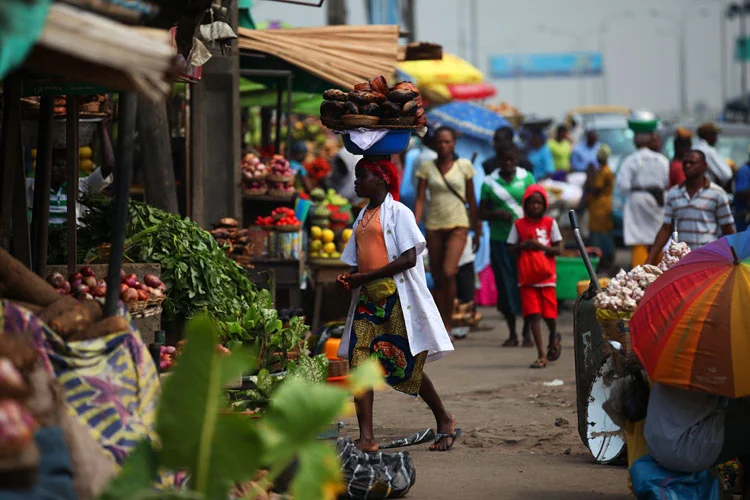
As Nigeria marked its 66th Independence Anniversary on October 1, 2026, citizens across the country reflected on the nation’s journey since independence, with economic hardship, insecurity and leadership emerging as major concerns.
Interviews with Nigerians highlighted mixed feelings about the country’s progress. While some acknowledged achievements over the years, others expressed frustration over rising living costs, insecurity and what they described as limited improvements in the welfare of ordinary citizens. Similar concerns were reflected in other Independence Day reactions across the country.
Mr James Adamu, a retired civil servant, said Nigeria’s early post-independence leaders made significant efforts to develop the country. He specifically recalled the era of Dr Nnamdi Azikiwe, Ahmadu Bello and Tafawa Balewa, saying leadership at the time was characterised by what he described as greater fairness and relative peace.
Adamu, however, lamented what he described as the subsequent growth of tribalism, favouritism and other practices that have contributed to challenges in security, agriculture and public services.
A Kaduna State chieftain of the Peoples Democratic Party, Suleiman Buhari, also expressed concern over the state of leadership in the country. He linked what he described as weak leadership to insecurity, hardship and other difficulties facing citizens.
“It appears we are living in a society where there is no leadership. We are all living where no one cares for the welfare of the other,” Buhari said, adding that attacks, killings and kidnapping had become major concerns in parts of the country.
He called for greater concern for the welfare of citizens and stronger efforts to address insecurity and economic difficulties.
An All Progressives Congress chieftain in Kaduna State, Adamu Maiyaki, said the challenges facing Nigerians required collective reflection rather than continued blame among citizens. He called for greater sincerity in determining how the country should be governed so that Nigerians could have a stronger sense of belonging.
“We need to talk to ourselves individually on the way forward for the country,” Maiyaki said. “We need to be sincere with one another on how best to pilot the affairs of the land so that everybody will feel a sense of belonging in the country.”
Concerns over the cost of living were also prominent, with citizens pointing to high food prices and rising transportation costs. A lecturer at Kaduna State University, Timothy Saleh, said recent economic reforms, including the removal of the fuel subsidy, had yet to translate into meaningful relief for many households.
Saleh also raised concerns about insecurity in rural communities, citing reports of abductions and situations where farmers face restrictions or demands for payments before accessing their farmlands. He described such conditions as serious challenges requiring sustained government attention.
President Bola Tinubu, in his October 1 Independence Day address, acknowledged that Nigeria’s economic reform programme had brought difficult adjustments but argued that the country was moving into a new phase focused on prosperity, lower living costs, job creation and broader economic opportunities.
The contrasting views reflect the broader debate over Nigeria’s progress 66 years after independence, with citizens, political groups and civil society organisations differing over the impact of current reforms and the pace of improvements in living conditions.