Now Reading: Norway Oil Exports Hit Record High as Iran War and Hormuz Crisis Push Prices to 2-Year Peak
-
01
Norway Oil Exports Hit Record High as Iran War and Hormuz Crisis Push Prices to 2-Year Peak
Norway Oil Exports Hit Record High as Iran War and Hormuz Crisis Push Prices to 2-Year Peak

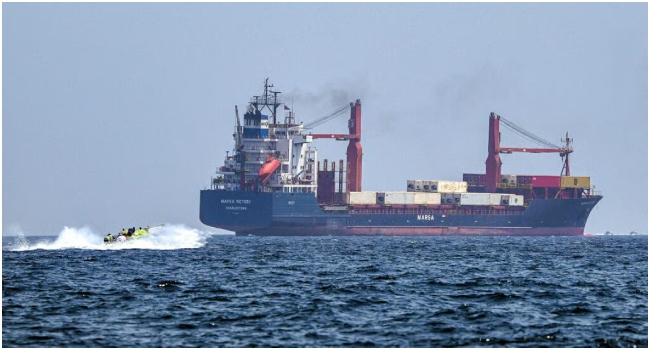
Norway has recorded its highest-ever oil export value after global energy markets were shaken by war in Iran and the closure of the strategic Strait of Hormuz, a key route for global crude and gas shipments.
The Scandinavian nation, Europe’s largest oil and natural gas producer outside Russia, saw crude exports surge in March as supply disruptions triggered a sharp rise in global oil prices.
According to Statistics Norway, crude oil exports reached 57.4 billion kroner ($6.08 billion) in March, marking a 67.9% increase compared with the same period last year.
The spike comes as tensions in the Middle East continue to disrupt global energy flows, particularly through the Strait of Hormuz, through which about a fifth of the world’s crude oil and liquefied natural gas passes under normal conditions.
Analysts say the closure of the waterway created a significant supply shock in global markets, pushing prices to their highest level in more than two years and boosting revenues for major exporters like Norway.
Oil prices averaged 1,014 kroner ($107.52) per barrel in March, the highest monthly level since September 2023, according to official data.
Energy analyst Jan Olav Rorhus said the crisis-driven price surge directly contributed to Norway’s record export earnings, describing the market impact as a “significant supply shock.”
The development has also drawn international political attention. US President Donald Trump referenced the situation in a social media post, criticising European energy policy and highlighting Norway’s strong position in the global oil market.
Norway, which relies heavily on petroleum exports for national income, channels most of its oil and gas revenue into a sovereign wealth fund—the world’s largest—currently valued at about $2.19 trillion.
The fund, created in the early 1990s, is designed to preserve oil wealth for future generations as production gradually declines and to support long-term public spending in the country’s welfare system.