Now Reading: Pope Leo XIV’s Africa Tour Sparks Joy and Backlash Over Visits to Authoritarian States
-
01
Pope Leo XIV’s Africa Tour Sparks Joy and Backlash Over Visits to Authoritarian States
Pope Leo XIV’s Africa Tour Sparks Joy and Backlash Over Visits to Authoritarian States

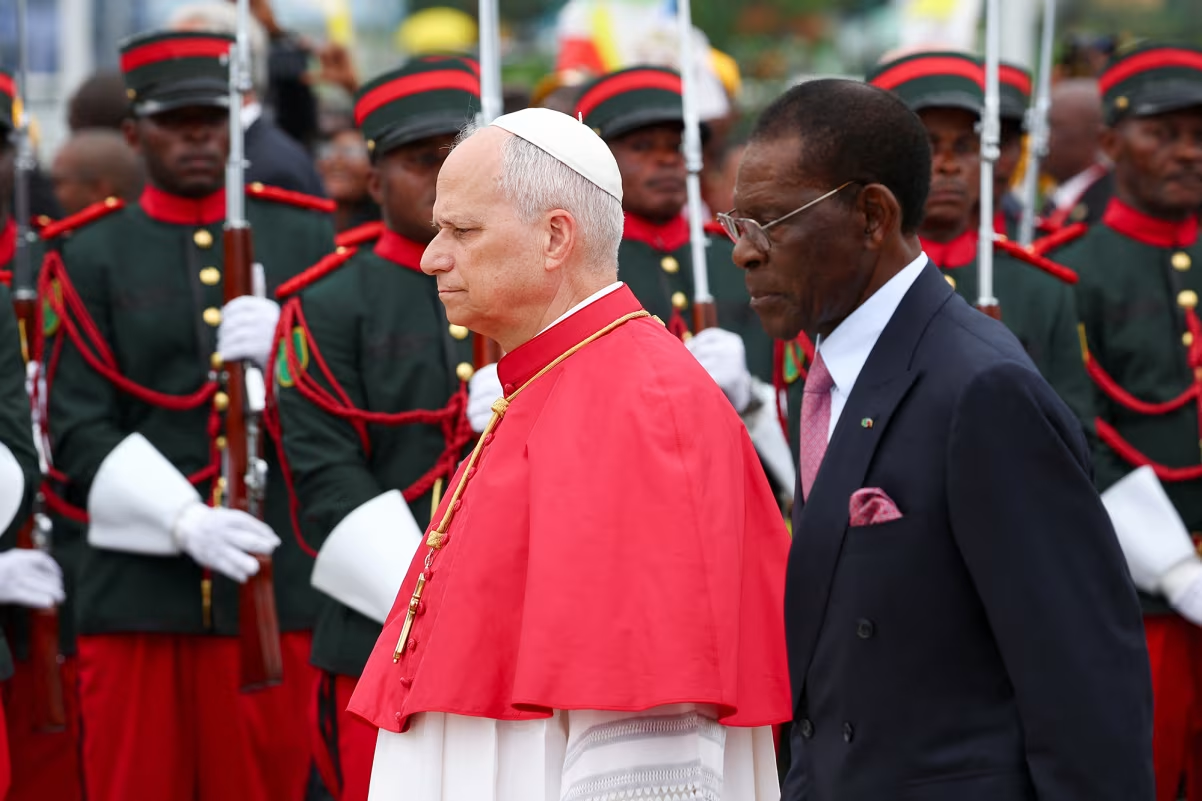
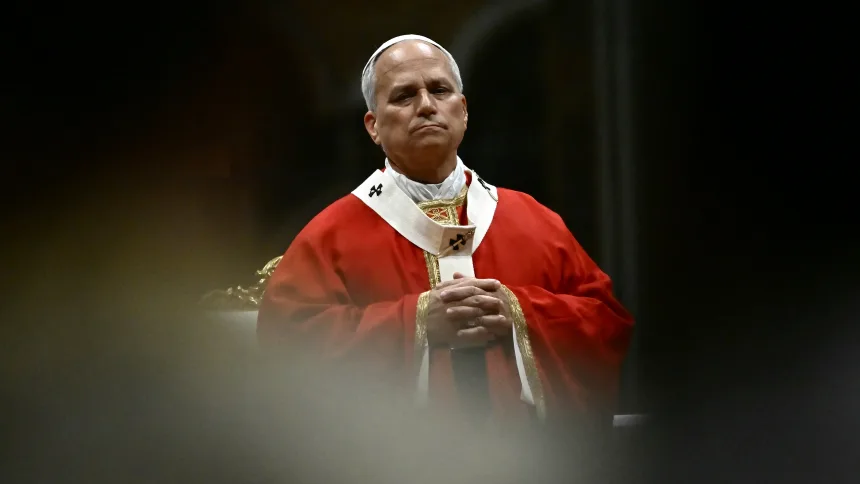
Pope Leo XIV’s sweeping tour of Africa has drawn massive crowds and emotional reactions from Catholic faithful—but it is also stirring sharp criticism over his decision to visit countries led by long-serving rulers.
From airport runways to packed stadiums, the pope has been greeted with enthusiasm across the continent, where nearly a fifth of the world’s Catholics reside. In Angola, one devotee described seeing the pontiff as a life-changing moment, even defying illness to catch a glimpse of the papal convoy.
The visit is part of an 11-day trip covering four nations, including Cameroon and Equatorial Guinea—two countries at the centre of growing controversy. Critics argue the pope’s presence risks legitimising governments accused of authoritarian rule and human rights concerns.
In Cameroon, President Paul Biya—one of Africa’s longest-serving leaders—welcomed the pontiff amid political tension following a disputed election and ongoing separatist conflict. Some activists fear the visit could be used as a public relations tool by the government.
A similar concern has been raised in Equatorial Guinea, where President Teodoro Obiang Nguema Mbasogo has ruled for over four decades. Human rights advocates warn that such high-profile engagements may send the wrong signal in countries grappling with governance and corruption issues.
Still, supporters of the papal visit insist the mission is spiritual, not political. Church officials say meetings with heads of state are standard protocol and do not imply endorsement of their leadership. The Vatican maintains that the trip is focused on peace, reconciliation, and strengthening local Catholic communities.
Throughout the tour, Pope Leo XIV has used his platform to speak out against corruption and exploitation, urging leaders to prioritise justice and unity. In Cameroon, he addressed the ongoing conflict and called for an end to divisions that have claimed thousands of lives.
The visit has also carried symbolic weight, coinciding with the first anniversary of the death of Pope Francis, whose legacy of advocating for the poor and marginalised continues to shape the Church’s global message.
Despite the criticism, the pope’s presence has brought moments of hope to ordinary citizens. In conflict-affected regions, many see his visit as a rare opportunity for attention, dialogue, and a renewed call for peace.
As the tour concludes, the debate remains unresolved—highlighting the delicate balance between moral leadership and political optics in one of the world’s most influential religious offices.