Now Reading: Taliban Defends Afghanistan Protest Ban, Says Demonstrations Violate Islamic Law
-
01
Taliban Defends Afghanistan Protest Ban, Says Demonstrations Violate Islamic Law
Taliban Defends Afghanistan Protest Ban, Says Demonstrations Violate Islamic Law

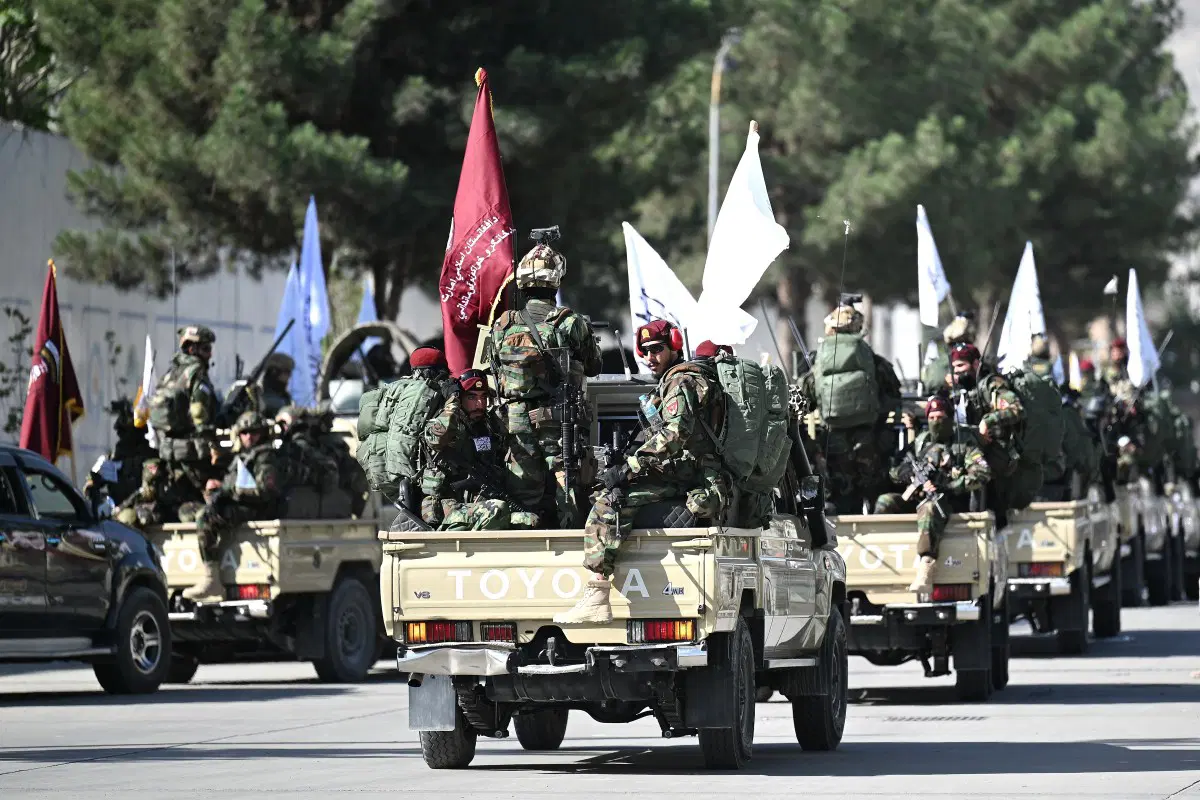
The Taliban government has defended its sweeping ban on protests in Afghanistan, insisting that the measure is consistent with Islamic law despite strong condemnation from international human rights organisations.
Taliban spokesman Zabihullah Mujahid said on Wednesday that demonstrations have no place under the Islamic system and argued that citizens should instead take their complaints directly to the government.
“The law fully complies with Islamic law,” Mujahid told AFP during a news conference, adding that “protests don’t exist in Islamic law”.
The Taliban introduced the controversial rule last month, declaring that “all types of protests are banned”. Demonstrations have already been rare in Afghanistan since the Taliban returned to power more than five years ago.
Mujahid said the ban would also help prevent damage to private property and stop people from wasting time. He argued that protests are associated with political systems such as democracies and republics, rather than the system of government established by the Taliban.
The policy has drawn sharp criticism from international rights organisations. Human Rights Watch described the measure as “another step in the Taliban’s ruthless effort to suppress all dissent”, while Amnesty International called the broader changes to law enforcement another major assault on human rights in Afghanistan.
The latest restrictions have raised further concerns because security forces have previously been accused of using deadly force against protesters. UN experts said at least two people were killed in June when security forces reportedly opened fire during a women’s rights demonstration in the western city of Herat.
Rights groups fear the protest ban could further restrict Afghans’ ability to publicly challenge government policies or demand changes. The Taliban, however, continues to defend its approach as part of its interpretation of Islamic governance.