
Now Reading: US Introduces New Asylum Rule Allowing Cases to Go Before Judges Without Initial Interviews
-
01
US Introduces New Asylum Rule Allowing Cases to Go Before Judges Without Initial Interviews
US Introduces New Asylum Rule Allowing Cases to Go Before Judges Without Initial Interviews

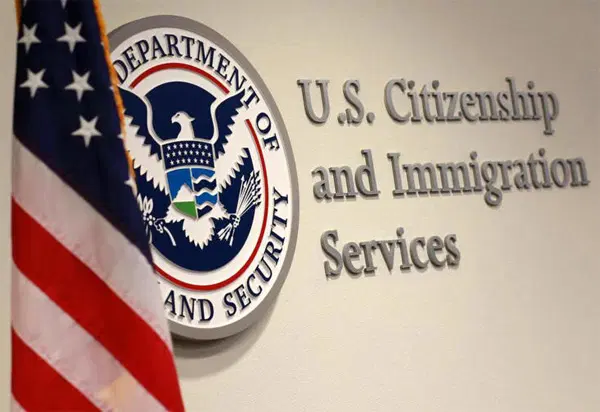
The United States has introduced a significant change to its asylum process, allowing certain applications to be referred directly to immigration judges without applicants first attending an interview with U.S. Citizenship and Immigration Services (USCIS).
The new interim final rule, announced by the Department of Homeland Security (DHS) and USCIS, is aimed at speeding up the handling of asylum claims and reducing the country’s growing backlog of pending cases.
Under the current system, USCIS processes “affirmative” asylum applications submitted by individuals who are not already in removal proceedings. Meanwhile, immigration judges under the Department of Justice (DOJ) hear “defensive” asylum cases involving applicants who are already facing deportation proceedings.
Previously, asylum seekers whose cases were referred to immigration judges would typically have first undergone an interview with USCIS. The new policy allows the agency to send certain applications directly to immigration courts without that initial interview, a move officials say will save time and improve efficiency.
According to DHS, eliminating the interview requirement in eligible cases will reduce the workload for asylum officers while enabling immigration judges to handle applications more quickly. The department believes the measure will help USCIS address its growing backlog and streamline the overall asylum process.
USCIS Director Joseph Edlow said the changes are intended to ensure the asylum system remains focused on individuals with legitimate protection claims.
“For far too long the asylum system has been exploited for purposes of delay and work authorization, not legitimate claims of protection,” Edlow said. “America’s asylum system exists to protect individuals who genuinely fear persecution and this rule will help ensure that resources are directed to the timely adjudication of those claims instead of to those seeking to use the system as a loophole.”
DHS General Counsel James Percival also defended the policy, arguing that prolonged immigration proceedings have hindered enforcement efforts. He said the new rule is expected to improve efficiency while supporting the administration’s broader immigration objectives.
The latest policy marks another step in the U.S. government’s ongoing efforts to reform the asylum system, balancing faster case processing with the adjudication of claims from individuals seeking protection from persecution.