Now Reading: World Teachers’ Day: Nigeria’s Teachers Need More Than Speeches
-
01
World Teachers’ Day: Nigeria’s Teachers Need More Than Speeches

As the world marks World Teachers’ Day on October 5, governments, schools and communities are celebrating educators for their contribution to shaping future generations.
In Nigeria, however, the occasion also offers an opportunity to confront the difficult realities facing many teachers across the country.
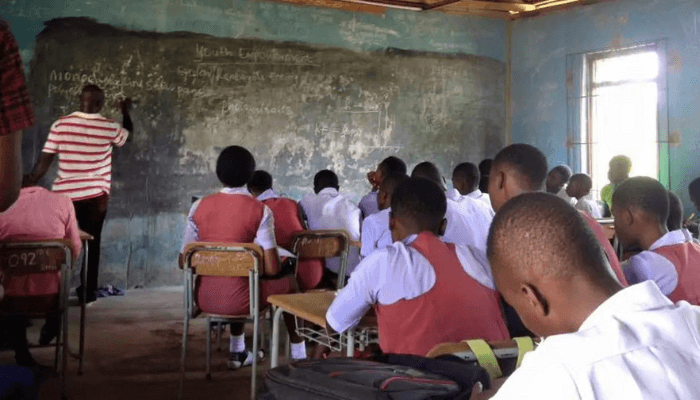
Beyond the speeches and ceremonial tributes, educators continue to grapple with overcrowded classrooms, inadequate teaching facilities, rising living costs, delayed or insufficient remuneration in some parts of the country and declining professional morale.
For many teachers, the annual declaration that they are the “backbone of the nation” rings hollow when their everyday working conditions tell a different story.
Between praise and reality
Nigeria’s public education system continues to face significant pressure from a large student population and shortages of teachers and infrastructure.
In many schools, teachers work in overcrowded classrooms while dealing with shortages of instructional materials, inadequate facilities and deteriorating school infrastructure.
The challenges extend beyond the classroom.
The rising cost of transportation, housing, food and healthcare has placed additional pressure on workers whose incomes have struggled to keep pace with living expenses.
For some teachers, this has meant taking loans, running side businesses or depending on additional sources of income to meet their financial obligations.
The result is a profession in which dedication often comes at a considerable personal cost.
The impact of ‘Japa’
Nigeria’s migration wave has also affected the education sector.
Teachers with professional qualifications and years of classroom experience are increasingly exploring opportunities outside the country, particularly where salaries, working conditions and career development prospects are perceived to be better.
The departure of experienced educators can create another challenge for schools already struggling with staffing shortages.
When experienced teachers leave, schools lose not only classroom manpower but also institutional knowledge, mentorship and the expertise built through years of teaching.
The consequence can be particularly serious in subjects requiring specialised knowledge, including science, mathematics and languages.
Beyond one-day celebrations
World Teachers’ Day should therefore be more than an annual opportunity for speeches, awards and expressions of appreciation.
It should also prompt a serious national conversation about the future of teaching in Nigeria.
Improving teachers’ welfare requires more than salary announcements. It includes ensuring that salaries are paid promptly, providing safe and functional classrooms, supplying teaching materials, investing in professional development and creating working conditions that encourage qualified educators to remain in the profession.
Teachers cannot be expected to produce outstanding educational outcomes while working in environments that undermine their own welfare.
A country that wants a skilled and productive population must first take care of the people responsible for educating that population.
This October 5, Nigeria can celebrate its teachers while also acknowledging the uncomfortable reality: teachers need more than applause. They need the conditions, resources and dignity required to do their jobs effectively.
Until those issues receive sustained attention, World Teachers’ Day risks becoming another annual celebration in which the people shaping Nigeria’s future are praised for their importance without receiving the support that importance demands.