
Now Reading: Businessman Tells Reps He Paid Alleged Fake PFIPC DG N400m for Phantom Contract
-
01
Businessman Tells Reps He Paid Alleged Fake PFIPC DG N400m for Phantom Contract
Businessman Tells Reps He Paid Alleged Fake PFIPC DG N400m for Phantom Contract

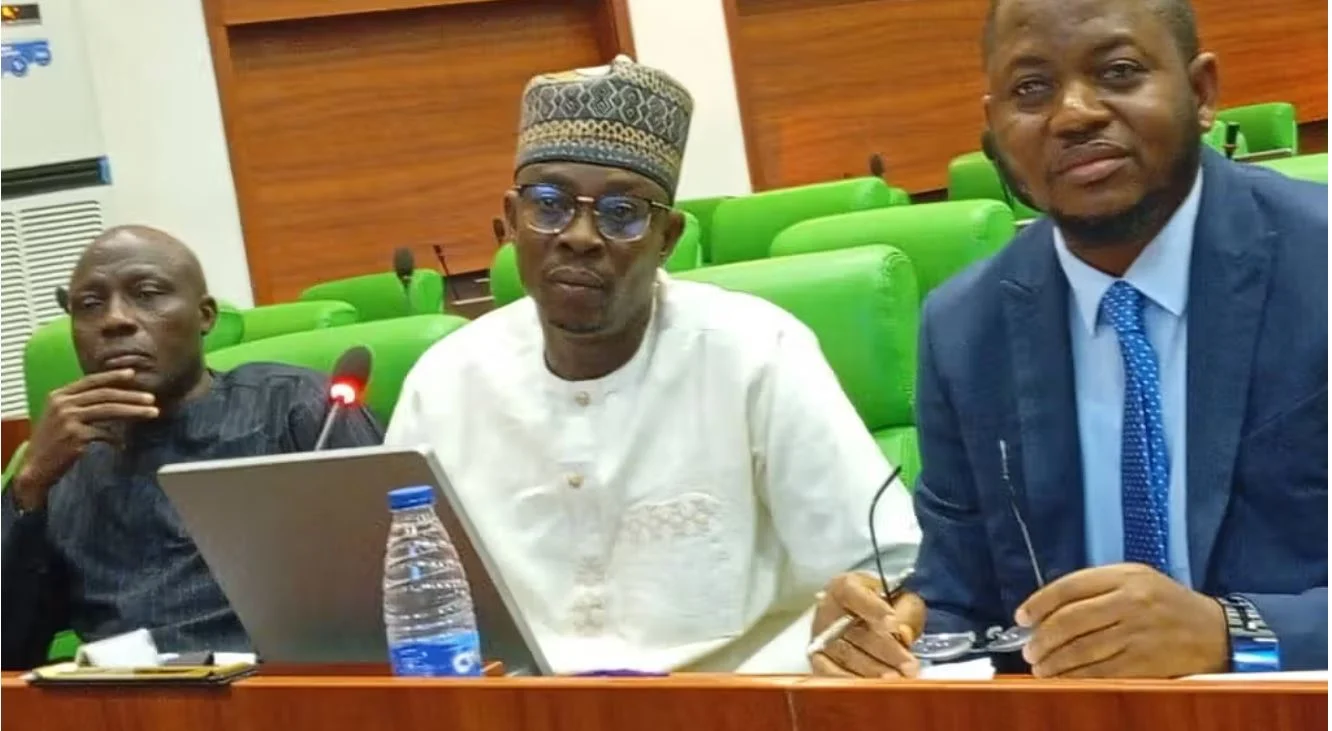
A businessman has told the House of Representatives that he lost N400 million after allegedly paying the purported Director-General of the Presidential Foreign Investment Promotion Council (PFIPC) for a contract that never materialised.
Appearing before the House Ad-hoc Committee investigating the controversial agency, Gbenga Collins, Managing Director of Divine Dopacy Nigeria Limited, said he transferred the money to Adeniyi Adeyemi after being promised a contract to renovate and furnish what was presented as the official residence of the PFIPC Director-General.
Collins explained that he had no reason to doubt Adeyemi’s claims because he operated from an office inside the Federal Secretariat in Abuja, travelled with security personnel, used official vehicles bearing government number plates and regularly received prominent visitors in what appeared to be a legitimate government office.
The businessman said he first met Adeyemi, a fellow indigene of Ogbomoso, during a community event in December 2024. Months later, Adeyemi allegedly invited him to Abuja, where an official vehicle picked him up from the airport and drove him to the Federal Secretariat.
According to Collins, Adeyemi introduced himself as the Director-General of both the Presidential Economic Advisory Council and the PFIPC before taking him to inspect an official residence earmarked for renovation. He said the property was opened by security personnel, and he was later handed a contract award letter, scope of work and an agreement between the council and his company.
Collins told lawmakers that Adeyemi subsequently demanded N400 million as proof of his company’s financial capacity and to facilitate mobilisation for the project. He said he raised the funds from business associates, paying N380 million in four instalments into a Guaranty Trust Bank account belonging to World Entrepreneurs Limited between May and June 2025, while the remaining N20 million was transferred in July 2025 to an Access Bank account owned by Sunshine Confectionery and Catering Services.
Despite repeated assurances that mobilisation would begin in August 2025, Collins said the project never commenced. He claimed Adeyemi later blamed delays on security concerns before promising payment in November, but communication eventually stopped. After consulting a lawyer, he realised he had allegedly fallen victim to a scam and petitioned the Economic and Financial Crimes Commission (EFCC) in November 2025.
The businessman said the incident had devastated his finances, forcing him to sell personal assets while struggling to repay those who contributed to the money. Although lawmakers questioned whether the payment amounted to a bribe or violated the Public Procurement Act, Collins insisted he acted in good faith, believing he was dealing with a genuine government official.
Committee Chairman Yusuf Gagdi disclosed that Adeyemi would be questioned at a later date and at an undisclosed location to avoid interfering with ongoing investigations by the EFCC, the Independent Corrupt Practices and Other Related Offences Commission (ICPC) and the Nigeria Police