
Now Reading: FG Takes Renewed Hope Housing Model to Africa, Targets 100,000 Homes
-
01
FG Takes Renewed Hope Housing Model to Africa, Targets 100,000 Homes
FG Takes Renewed Hope Housing Model to Africa, Targets 100,000 Homes

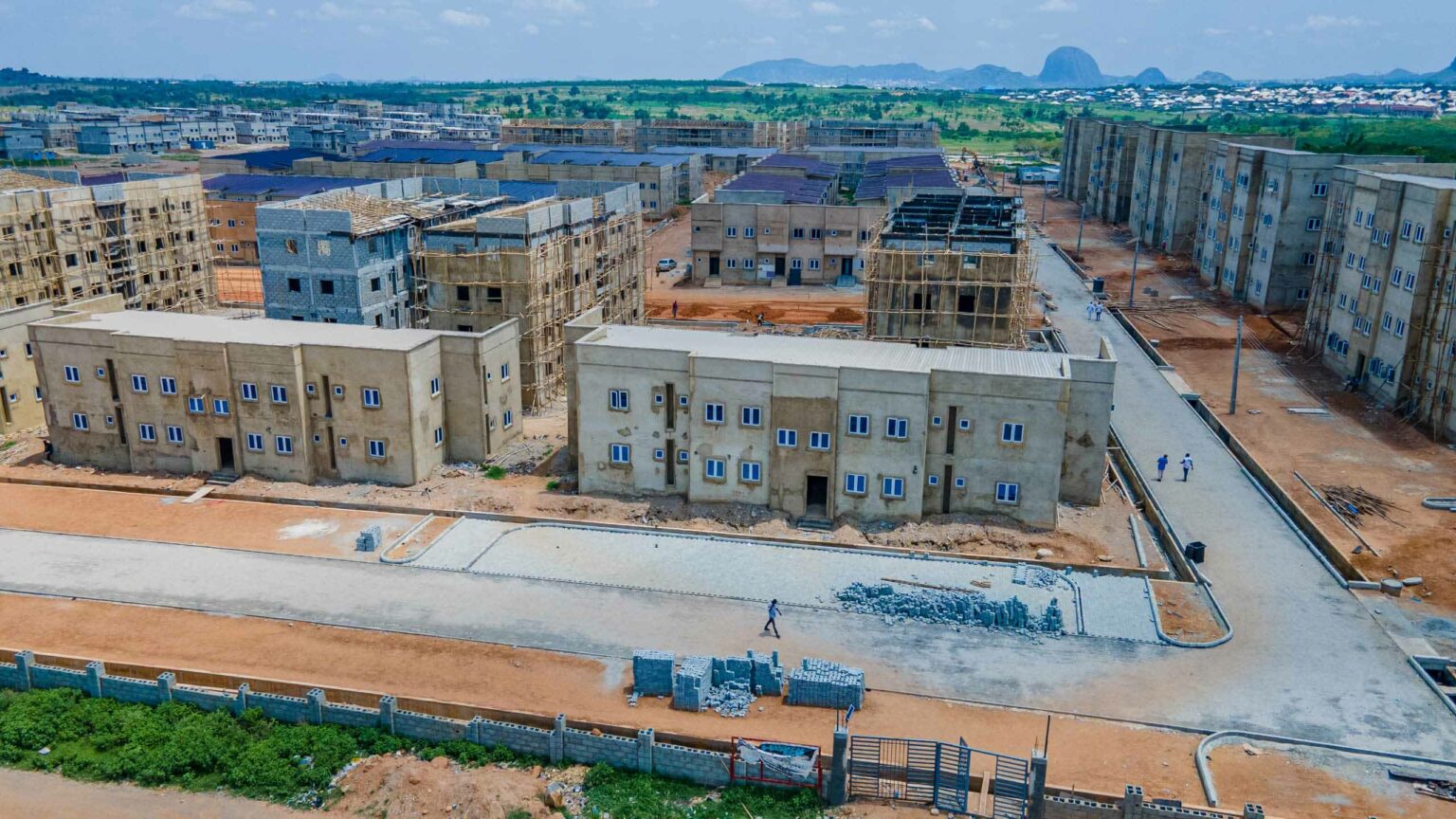
The Federal Government is promoting Nigeria’s Renewed Hope Housing public-private partnership model to other African countries as it seeks to attract investment and explore new approaches to tackling the continent’s housing challenges.
The model was presented at an African forum in Addis Ababa, Ethiopia, where Nigeria showcased its approach to mobilising private-sector investment and financing for housing development.
The reported programme targets the delivery of 100,000 housing units through partnerships with private investors and concessional financing. The approach is designed to reduce reliance on direct government funding by encouraging private-sector participation in the construction and financing of homes.
The programme is also associated with a reported investment figure of $125 million. However, the figure should not be interpreted as money already spent or proof that the proposed housing units have been completed. Further details on the funding structure, investment commitments and implementation timeline would be needed to establish the programme’s current level of progress.

The initiative comes as Nigeria continues to face significant housing affordability challenges, with high construction costs, limited access to mortgages and low purchasing power making homeownership difficult for many households. Expanding housing supply remains an important part of efforts to improve access to decent accommodation.
Under the public-private partnership approach, the government aims to draw on private capital and financing arrangements to support housing projects. If implemented effectively, the model could help mobilise additional resources for construction and reduce pressure on public finances.
However, the programme’s impact will depend on whether the proposed homes are affordable to the people who need them most. Important details include eligibility requirements, the locations of the developments, selling prices, mortgage arrangements and the terms under which prospective buyers would be able to access the houses.
Promoting the model across Africa could also create opportunities for governments to exchange ideas on housing finance, private investment and the delivery of large-scale residential projects. Its relevance to other countries, however, will depend on how well the approach can be adapted to their local economic conditions and housing needs.
Ultimately, the success of the Renewed Hope Housing initiative will be measured by delivery rather than announcements. The key tests will be whether the programme secures the required funding, completes the targeted homes on schedule and makes them accessible to households that are currently priced out of the housing market.