Now Reading: Fuel Subsidy Debate: Nigerian Economists, Oil Stakeholders Reject Blanket Return, Demand Targeted Relief
-
01
Fuel Subsidy Debate: Nigerian Economists, Oil Stakeholders Reject Blanket Return, Demand Targeted Relief
Fuel Subsidy Debate: Nigerian Economists, Oil Stakeholders Reject Blanket Return, Demand Targeted Relief

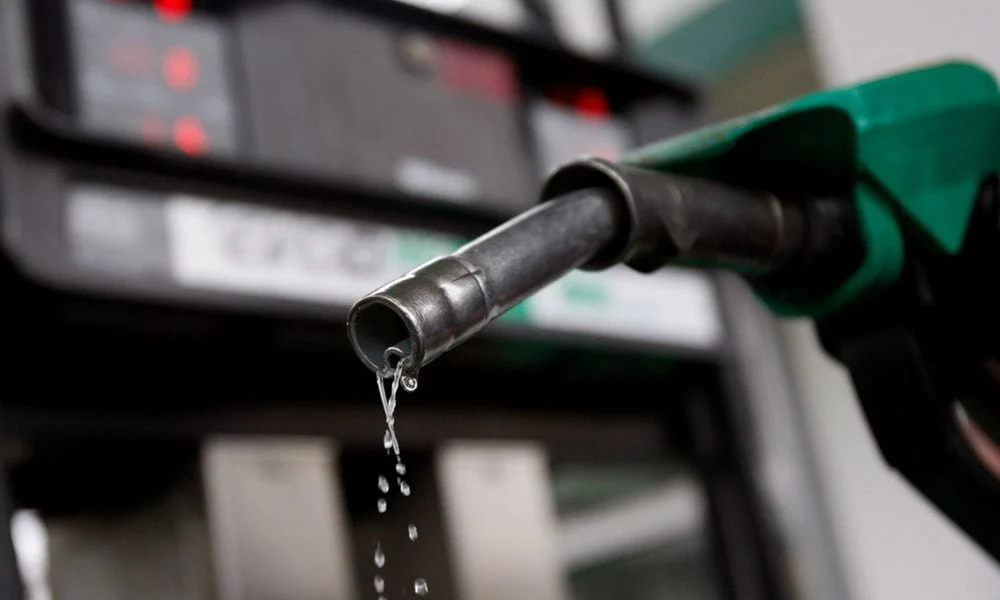
The renewed push to restore Nigeria’s fuel subsidy has triggered a fresh debate among economists and petroleum industry stakeholders, with experts warning against returning to a blanket subsidy regime while calling for targeted support and stronger domestic refining capacity.
The debate intensified after former Vice President and African Democratic Congress (ADC) presidential candidate Atiku Abubakar said he would restore fuel subsidy if elected president in 2027. Atiku argued that his proposal would involve subsidising petrol from crude oil production rather than relying on imported refined products.
His position marks a shift from his earlier advocacy for subsidy removal and has drawn responses from the Federal Government, opposition politicians and players in the petroleum sector. President Bola Tinubu removed the subsidy immediately after taking office on May 29, 2023, a decision that sharply increased petrol prices and contributed to higher living costs.
Petrol prices, which averaged about N545 per litre before the removal, had risen to between N1,230 and N1,299 per litre in Abuja and surrounding areas by August 24, 2026. The Federal Government says the policy generated N15.8 trillion in savings between June 2023 and December 2025, although Finance Minister Taiwo Oyedele said government also incurred N30.64 trillion in additional spending during the period on areas including wage adjustments, debt, infrastructure and electricity subsidies.
Economist and accounting professor Godwin Oyedokun said returning to a blanket fuel subsidy could provide short-term relief through lower petrol, transport and food costs but warned that it could also revive the fiscal pressure, leakages, smuggling and corruption associated with the old system. He argued that government should instead subsidise vulnerable households and productive sectors while directing savings from subsidy removal into mass transportation, electricity, healthcare, education and social protection.
Oyedokun said the debate should focus less on “subsidy or no subsidy” and more on how the government can protect Nigerians from the impact of economic reforms. He also urged political parties preparing for the 2027 elections to publish clear, costed energy policies rather than reduce the subsidy debate to campaign slogans.
For the Independent Petroleum Marketers Association of Nigeria (IPMAN), the bigger problem is Nigeria’s weak refining and petroleum distribution infrastructure. Its spokesperson, Chinedu Ukadike, urged the government to revive the Port Harcourt, Warri and Kaduna refineries, restore pipelines and rehabilitate the country’s 21 petroleum depots, arguing that stronger domestic production and competition would help reduce petrol price volatility and dependence on the dollar.
PETROAN National President Billy Gillis-Harry also opposed a return to subsidy, describing the former regime as a major lost opportunity for national development. He argued that Nigeria had previously borrowed heavily to finance subsidies instead of investing those resources in human capital and infrastructure, and questioned how a new government would sustainably fund a proposed petrol price of N500 per litre.
While Atiku maintains that subsidy restoration could form part of his 2027 economic recovery plan, former Anambra State governor and Labour Party presidential candidate Peter Obi has taken a different position. Obi said subsidy removal itself was necessary, arguing that the problem was the alleged mismanagement of the savings generated from the policy rather than the decision to end the subsidy.
The competing positions leave Nigerians facing a central question ahead of the 2027 election: should government return to subsidising petrol, or should scarce public funds be used to lower production and transport costs while protecting vulnerable citizens through targeted interventions? For voters, the more important test may be whether each political camp can show exactly how its proposed fuel policy would be financed and sustained.