Now Reading: Germany Halves 2026 Growth Forecast as Middle East War Triggers Energy Shock and Economic Slowdown
-
01
Germany Halves 2026 Growth Forecast as Middle East War Triggers Energy Shock and Economic Slowdown
Germany Halves 2026 Growth Forecast as Middle East War Triggers Energy Shock and Economic Slowdown

Germany has sharply downgraded its economic outlook, cutting its 2026 growth forecast in half as rising energy prices linked to the Middle East conflict continue to hit Europe’s largest economy.
The federal government now expects gross domestic product to grow by just 0.5% in 2026, down from the 1% projection made earlier this year. Forecasts for 2027 were also trimmed to 0.9%, from 1.3%, signalling a prolonged period of weak expansion.
Officials blamed the revision largely on the surge in global oil and gas prices following escalating tensions involving the United States and Israel in their conflict with Iran. The energy shock has pushed up production costs and added pressure on already struggling industries.
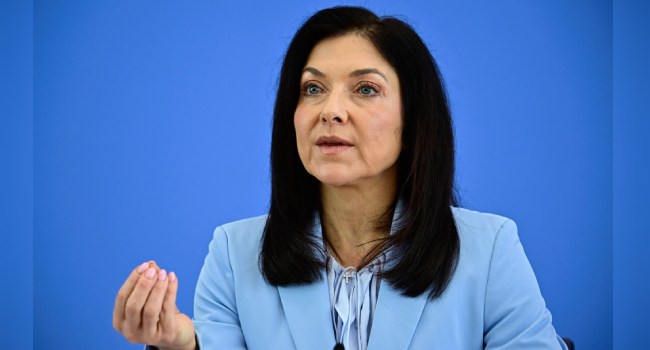
Economy Minister Katherina Reiche said the situation had reversed early signs of recovery. She noted that before the conflict, Germany’s economy was beginning to stabilise after previous global shocks. The new crisis, she warned, has “set us back economically” and deepened structural weaknesses.
Germany’s manufacturing sector is among the hardest hit. Industries such as steel, chemicals, and heavy engineering are facing higher energy bills at a time when demand from key export markets remains weak. Competition from China is also squeezing margins, adding further strain.
Inflation is now expected to rise faster than previously projected, with the government forecasting 2.7% in 2026 and 2.8% in 2027. Higher borrowing costs linked to global instability are also putting pressure on public finances.
The revised outlook follows similar warnings from leading economic institutes, which have also downgraded growth expectations, reflecting a broader slowdown across the eurozone’s industrial core.
Chancellor Friedrich Merz, who came into office promising an economic revival driven by infrastructure and defence spending, is now facing criticism over the pace and impact of reforms. While some relief measures, including tax-free bonuses for workers, have been introduced, economists say they are not targeted enough to offset the wider economic strain.
Business groups have also voiced frustration, arguing that structural reforms in areas such as pensions, healthcare, and bureaucracy are moving too slowly. Many fear that delays in policy execution could weaken Germany’s long-term competitiveness.
Reiche stressed that the government must accelerate reforms despite the geopolitical turbulence. She warned that without urgent action, Germany risks losing the foundations needed for future growth and stability.
As energy prices remain volatile and global uncertainty persists, Europe’s traditional economic engine is now facing one of its most difficult tests in years.
FACEBOOK & LINKEDIN POST
Germany has just cut its 2026 growth forecast in half as the Middle East conflict drives up energy prices and puts fresh pressure on its economy.
Manufacturing is slowing, inflation is rising, and policymakers are now under pressure to speed up reforms.
Is Europe’s biggest economy losing its edge—or just going through another global shock cycle?ad in open court.