
Now Reading: House of Representatives Approves State Police Bill as 289 Lawmakers Back Major Security Reform
-
01
House of Representatives Approves State Police Bill as 289 Lawmakers Back Major Security Reform
House of Representatives Approves State Police Bill as 289 Lawmakers Back Major Security Reform

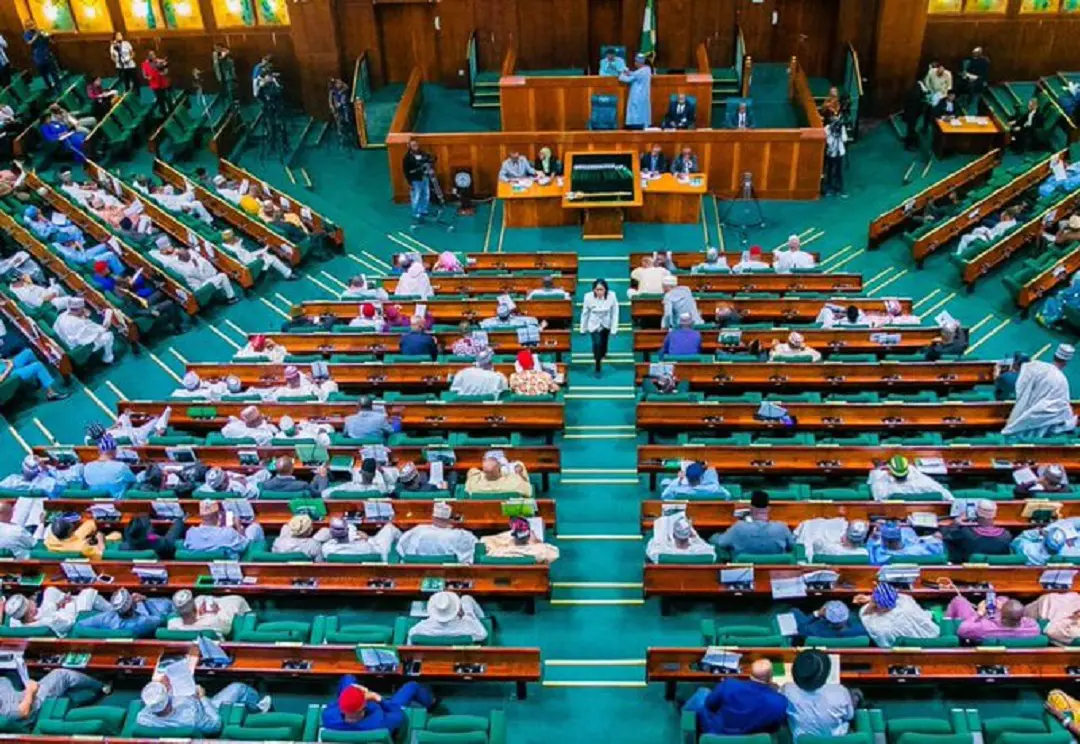
Nigeria has moved a step closer to establishing state police after the House of Representatives overwhelmingly approved a bill aimed at decentralising the country’s policing structure amid worsening insecurity.
The proposed State Police Bill secured massive support during Thursday’s plenary session presided over by the Speaker of the House, Tajudeen Abbas. A total of 289 lawmakers voted in favour of the legislation, while only one member opposed it.
The lower chamber dedicated its sitting to deliberating on the bill, which has gained momentum as communities across the country continue to grapple with kidnapping, banditry, killings and other violent crimes. Supporters argue that state-controlled policing could strengthen local security responses and improve intelligence gathering.
The debate, however, was briefly interrupted when Kaduna lawmaker Bashir Zubairu raised a point of order. He expressed concern that members had received the report of the House Committee on Constitution Review only hours before the session and had not been given enough time to examine its contents.
“Mr Speaker, this document was only made available to lawmakers in the chambers, and we are yet to go through it. We cannot do justice to it because we have not gone through it,” Zubairu told the House.
Despite the objection, Speaker Abbas ruled him out of order and directed proceedings to continue. As lawmakers reviewed the provisions of the bill, some members attempted to raise additional points of order, but the Speaker declined to entertain further interruptions.
Before the vote, Abbas informed lawmakers that the electronic voting system was unavailable due to technical issues. As a result, the chamber adopted an alternative voting process based on attendance records to determine members’ positions on the bill.
At the conclusion of the exercise, 289 of the 290 lawmakers present voted in support of the establishment of state police, underscoring broad legislative backing for one of Nigeria’s most significant constitutional and security reforms in recent years. The Speaker did not cast a vote.
The approval marks a major milestone in the push for state policing, though the proposal must still pass through additional constitutional processes before it can become law. If eventually adopted, the reform could fundamentally reshape Nigeria’s security architecture and grant states greater responsibility for maintaining law and order.