Now Reading: US Father Explains Why He Forgave Wife Accused of Killing Their Three Children
-
01
US Father Explains Why He Forgave Wife Accused of Killing Their Three Children
US Father Explains Why He Forgave Wife Accused of Killing Their Three Children

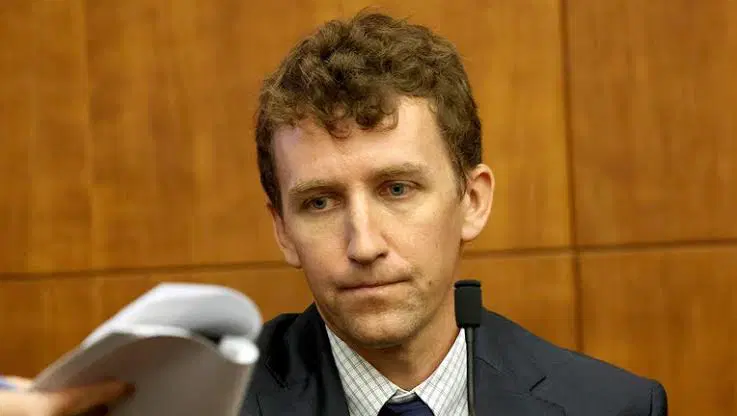
Patrick Clancy, the former husband of US mother Lindsay Clancy, has explained why he chose to forgive her after she was accused of killing their three children, saying he feared refusing to forgive would consume him for the rest of his life.
Speaking in an interview with CBS’s 60 Minutes, Patrick said he believed Lindsay’s severe mental illness played a major role in the deaths of their children, Cora, 5, Dawson, 3, and Callan, 8 months.
Lindsay, 36, has not disputed that she killed the children, while her defence argued that she was suffering from severe postpartum psychosis and should not be held criminally responsible. Her murder trial ended in a mistrial earlier this month after jurors failed to reach a unanimous verdict. Prosecutors have not yet said whether they will seek another trial.
Patrick said his decision to forgive Lindsay was also influenced by the way she was portrayed publicly. He recalled seeing descriptions such as “Killer Mom”, “Baby Murderer” and “Monster”, saying he did not believe those labels captured the role he believed her mental illness played in the tragedy.
“I believe that it was her mental illness that caused that,” Patrick said. “And I think when it comes to forgiveness, I also felt that if I didn’t get there, I would be eaten up inside forever.” He said Lindsay never asked for his forgiveness, but he chose to give it to her.
The couple’s children died in January 2023 after prosecutors alleged that Lindsay attacked them at their home in Duxbury, Massachusetts, before she was seriously injured in a fall from a second-floor window. Patrick said he had noticed changes in Lindsay’s mental health in the months before the tragedy but did not understand how to respond to postpartum illness.
“I didn’t know how to manage a postpartum illness,” he said, adding that mental illness can be difficult to recognise and that there were likely warning signs he failed to see. Patrick also rejected suggestions that he had failed his family, saying he had done what he believed was best with the information available to him at the time.
Patrick described the loss of his youngest child, Callan, who survived for four days after being taken to hospital, as one of the most painful moments of his life. He said the grief became overwhelming and that he later moved from Duxbury to New York City to find greater privacy while dealing with the loss.
The case has also generated intense online speculation about Patrick, including claims that he was responsible for what happened to his children. He said such attacks were harmful and diverted attention from what he believes should be a wider discussion about perinatal mental health. Patrick has since remarried Dr Rachel Danis, and he said they intend to ensure their future children grow up knowing about their late siblings.