Now Reading: Why Food Prices Keep Rising Despite Nigeria’s Inflation Falling to 15.43%
-
01
Why Food Prices Keep Rising Despite Nigeria’s Inflation Falling to 15.43%
Why Food Prices Keep Rising Despite Nigeria’s Inflation Falling to 15.43%


Nigeria’s headline inflation rate fell for the second consecutive month in July 2026, but households are still facing rising food prices and a high cost of living, leaving many Nigerians questioning what the latest inflation figures mean for their daily lives.
The National Bureau of Statistics (NBS) reported that headline inflation dropped to 15.43 per cent in July, from 15.91 per cent in June. Month-on-month inflation also eased to 1.57 per cent from 1.66 per cent in June, suggesting that the pace at which prices are increasing has slowed.
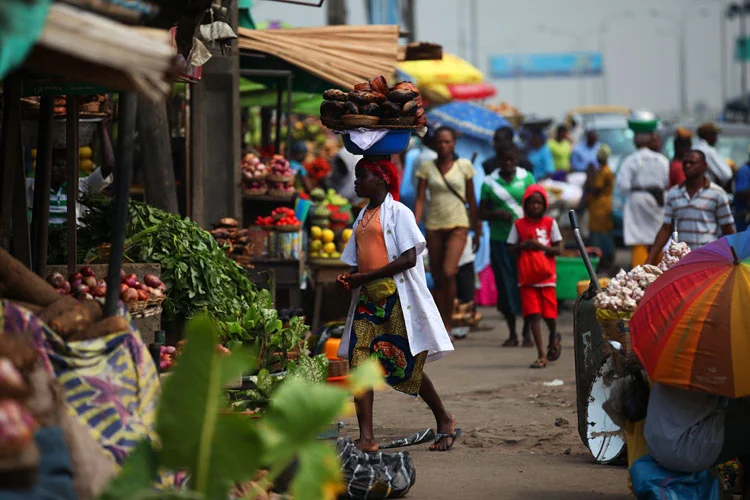
The improvement, however, has not been reflected in food prices. Food inflation climbed for the sixth consecutive month to 20.31 per cent, up sharply from 17.52 per cent. The NBS linked the increase to higher prices of items including rice, tomatoes, onions, pepper, garri, beef, eggs, plantain and other food products.
Regional differences were also significant. Adamawa recorded the highest headline inflation at 33.03 per cent, while Nasarawa had the lowest at 7.86 per cent. For food inflation, Adamawa again recorded the highest rate at 51.36 per cent, compared with 6.88 per cent in Nasarawa.
Former President of the Chartered Institute of Bankers of Nigeria, Dr Okechukwu Unegbu, questioned whether the official inflation figure fully captures the experience of consumers. He argued that inflation remains much higher in practical terms, estimating Nigeria’s rate at between 35 and 40 per cent based on the prices people encounter in markets and other transactions.
Prof Godwin Oyedokun, a professor of accounting, offered a different interpretation, describing the fall in headline inflation as a sign of improving macroeconomic stability. He said relative exchange-rate stability, tighter monetary policy, easing core inflation and base effects may have contributed to the decline, but stressed that slower price increases do not mean prices are falling.
“The challenge is that food prices and other essential household costs remain high,” Oyedokun said, adding that Nigerians would need sustained disinflation, lower food prices, stronger purchasing power and wages that begin to catch up before the improvement becomes more noticeable.
Chief Executive Officer of the Centre for the Promotion of Private Enterprise, Dr Muda Yusuf, also linked the easing inflation rate partly to exchange-rate stability and said it had helped improve investor confidence and reduce inflation expectations. However, he warned that food, transport, energy and utility costs remained major pressure points for households.
Yusuf called for stronger fiscal intervention by both federal and state governments, particularly in areas affecting food supply, transportation, energy and basic utilities. The experts’ views point to a key distinction in Nigeria’s current economic situation: inflation is slowing, but the cost of living remains high because prices have not returned to their previous levels.